A Million Dong Can’t Be Wrong
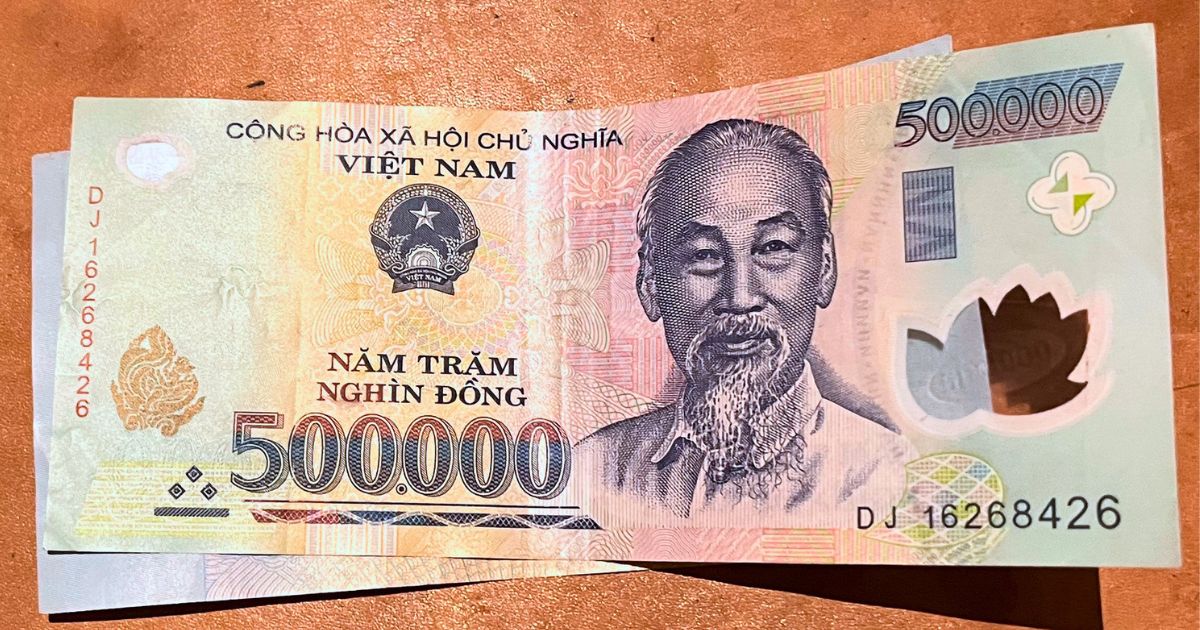
It’s 9pm on my first night in Vietnam when I become a millionaire. On the corner of a well-lit street, with no traffic noise to drown out the waves lapping on the shore one block away, I slip a crisp $100 bill to our AirBnB host, who opens her wallet and pulls out 2.6 million dong.
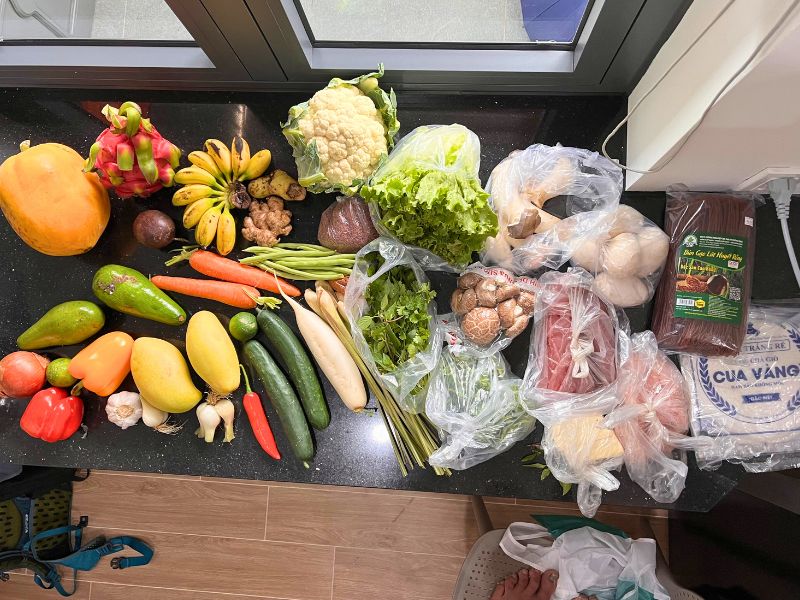
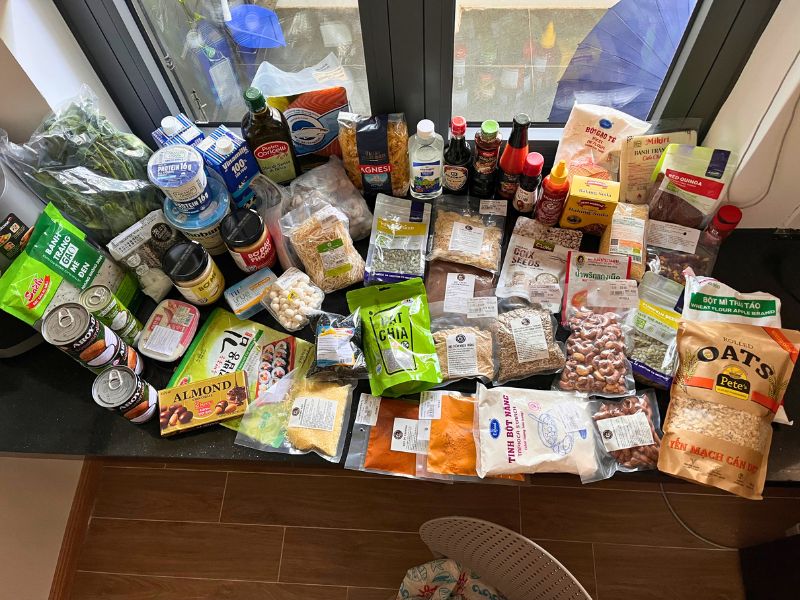
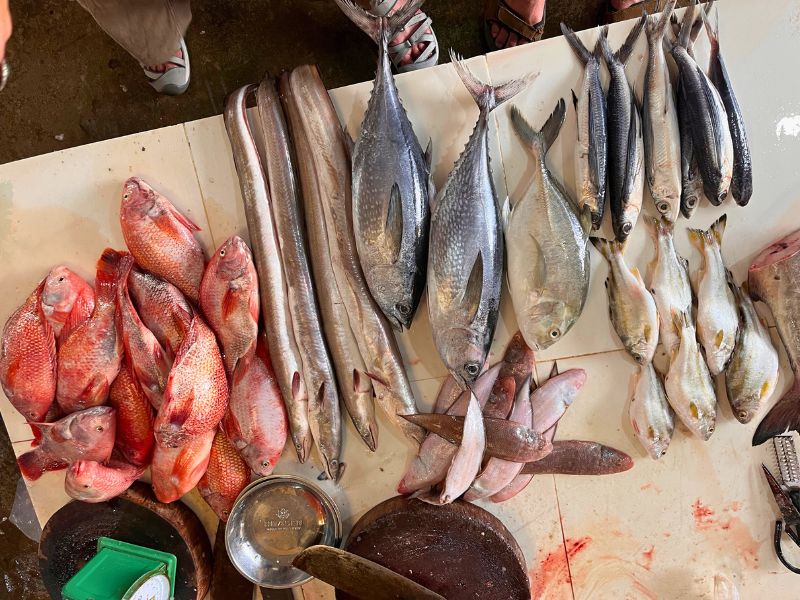
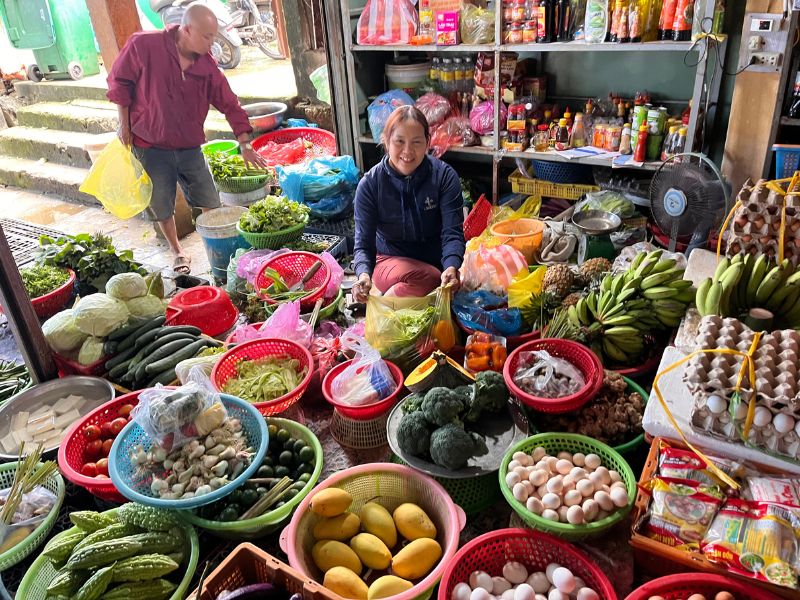
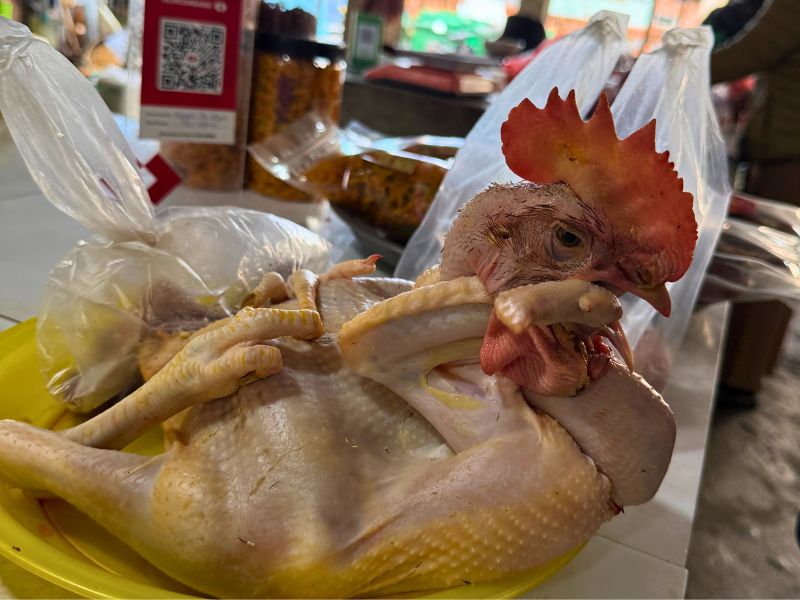
My first of many lessons about Vietnam is that $1 = 25,600 Vietnamese Dong. The next morning we calmly drop a million of them at the market (fresh-cut rice noodles, fish caught an hour ago for $5 - yes please!), then 4,511,137 at MoonMilk to stock the kitchen (granola supplies, yogurt…) It’s not lost on me that we spend four times as much at the commercial grocery for imported packaged products than we invest at the market in fresh, local goodness.
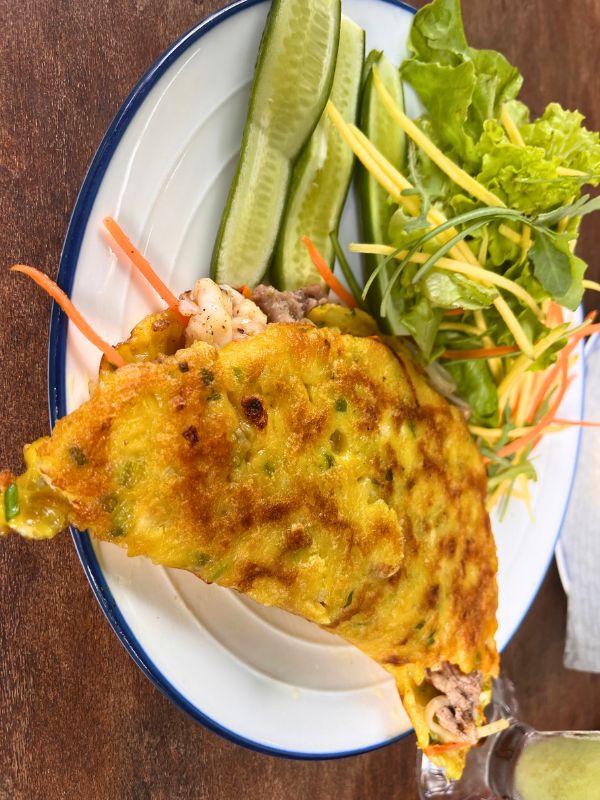
It takes a while to get used to that many zero’s. Is 120,000 dong for a “Bánh xèo” rice pancake stuffed with shrimp and pork a good deal? How can they possibly sell me this many mushrooms for 5,000 dong (20 cents)? In a land where everything is ridiculously cheap (for me, not for the average family here earning $200/month), I’m ironically more price-conscious than ever, trying to get the calculation right then shaking my head in disbelief that the taxi into town cost $1.48.
Getting it right is important. Buried in our Minnesota storage locker is a beautiful wooden stool from Zimbabwe in 1999 that turned out to cost $950 instead of $95. Lesson not learned - an extra zero in my online transfer to my “Easy Peasy Vietnamesey” language school means I just paid 50 million instead of 5 million dong for a month of twice-weekly private lessons. The kind owner tries valiantly to refund the $1,700, but in this socialist closed economy there are restrictions about sending funds to foreign accounts. We trust that he will meet us when we get to Hanoi nine weeks from now with 45,000,000 dong in his pocket.
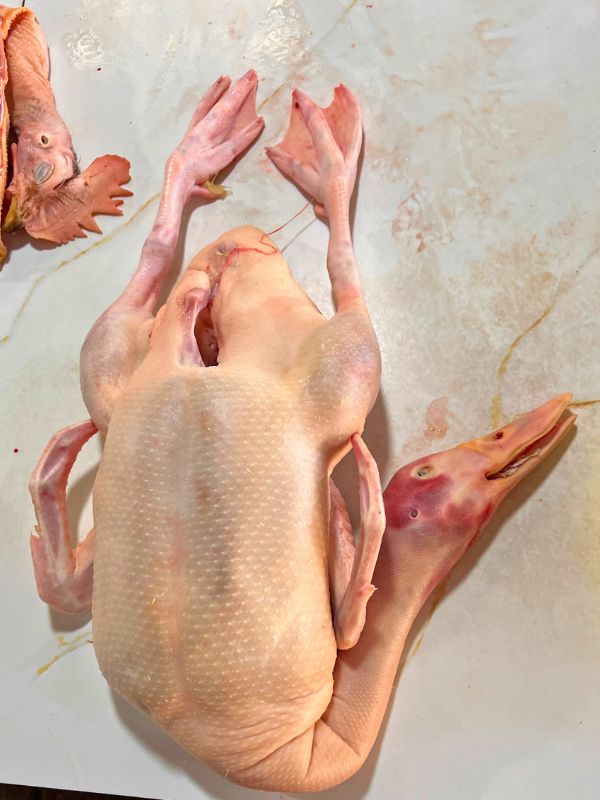
BOGO - Buy One Language Lesson, Get One Cultural Lesson Free
With the now-most-expensive online language lessons in Vietnamese history, my college-student tutor AnnThung patiently walks me through the grammatical simplicity and pronunciation jungle that is Vietnamese. Slight variations on “Chuh” can mean market, uncle, niece, nephew, eggs, give me, not yet, slow, take a photo, play, or Wait!
“Chú chào cháu” (which all sound the same out of my clumsy Canadian mouth) means “hi.” More specifically, it’s a greeting to a younger person like AnnThu from a man like me who is old enough to be her uncle but younger than her parents (“Uncle greets niece.”). Greetings are relational, establishing the age and relationship between the two. For each woman at the market I have to quickly decide if they are older or younger (or if they want to be recognized as such), then remember my pronoun and theirs, then spit it out in a form they will recognize as an attempt at their own language. The amount of laughter confirms that either I’m super smart, making really funny mistakes, or simply delighting them with effort to create respectful human connection.
This emphasis on relationships speaks volumes about the culture and priorities here. I’m reminded of Swahili in Tanzania, where we would greet anyone older with a respectful “Shikamoo” (I hold your feet), to which the elder would respond “Mara Haba” (I’m delighted!) I see the similarity also in how money and objects are passed back and forth. In both cultures, anything handed over is of such importance that it is “weighty” and requires two hands to show its value. The North American tendency to thoughtlessly pass something one-handed (especially with the left hand, which is only for bathroom use) is not just rude, it expresses a fundamental disrespect for the human relationship being expressed in the transaction.
Aside - as a young development worker in Tanzania, I used to play with this cultural convention with my coworker Alfred Ndeka, who was particularly obsessed with two-handed passings. If I noticed him with arms full of files or bricks, I would ask if he could please pass me a pen. Excited and agitated, he would quickly put all his load down on a table, find a pen to hand me with two hands into my two hands while making eye contact. I would wait for him to load back up, then say “Asante sana” (thank you very much) and hold the pen back out to him with two hands. He would find somewhere to once again put down all his files, accept the pen, then load back up again. In three years I don’t think he ever knew I was jerking his chain, and in three years I don’t think I ever considered whether my personal amusement was culturally inappropriate.
Nothing But Beach
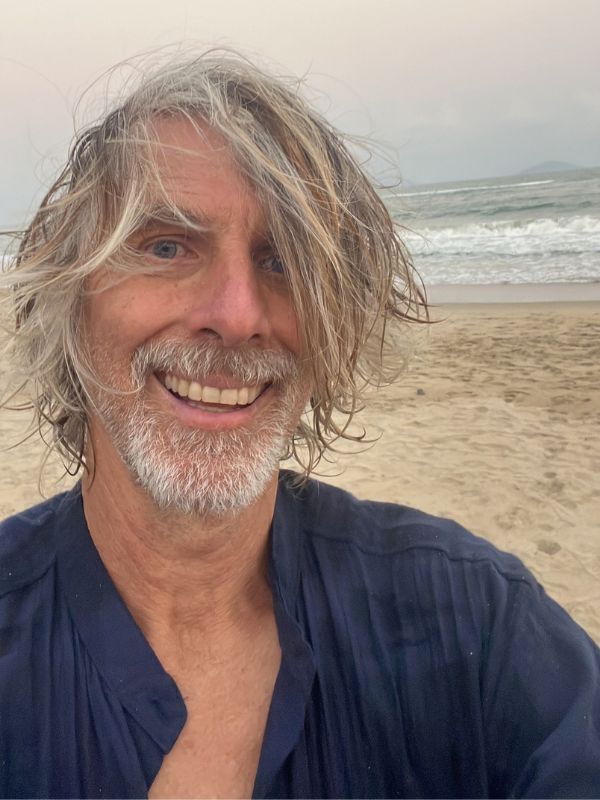
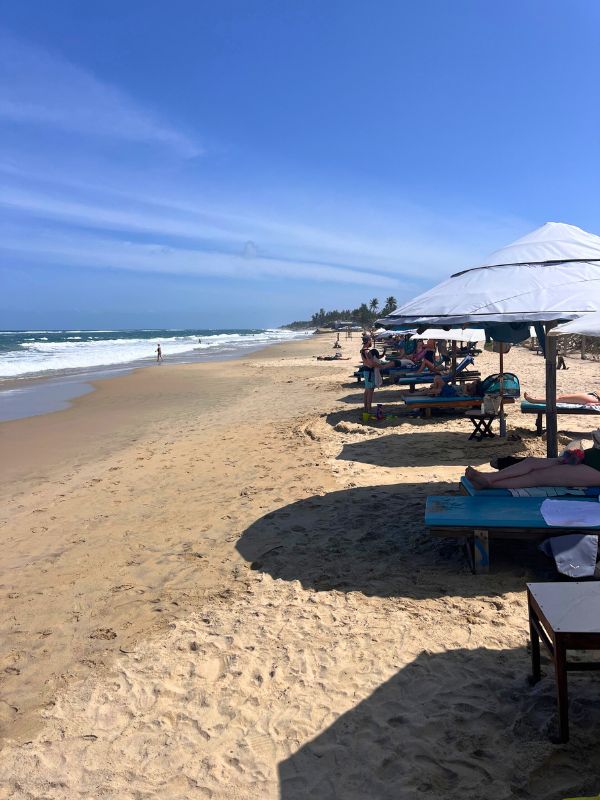
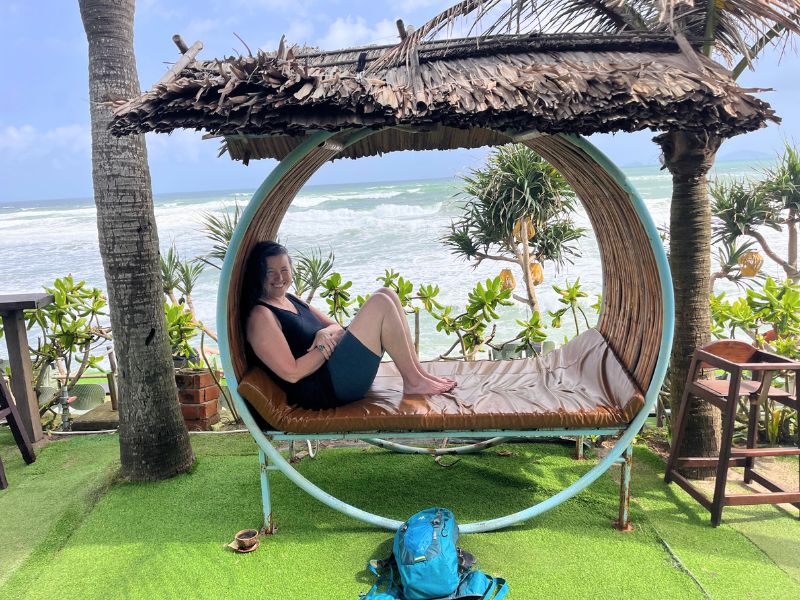
“Chú thích biển không?” - “Uncle, do you like the beach?” asks AnnThu. As an experiment, we’re staying the first two weeks of our two months in Hoi An right at the beach. It still takes us three days before the first swim - a sure-fire indication that my long Posieden hair does not foretell a surfer-dude future.
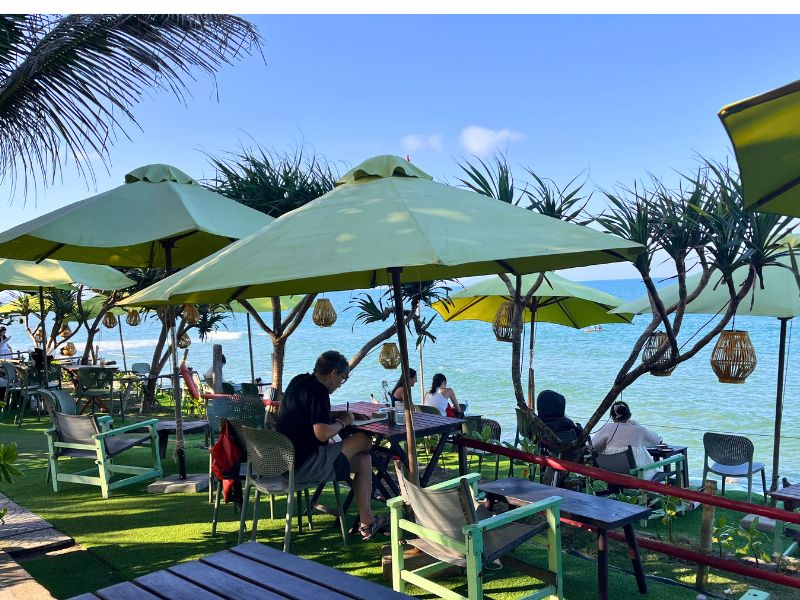
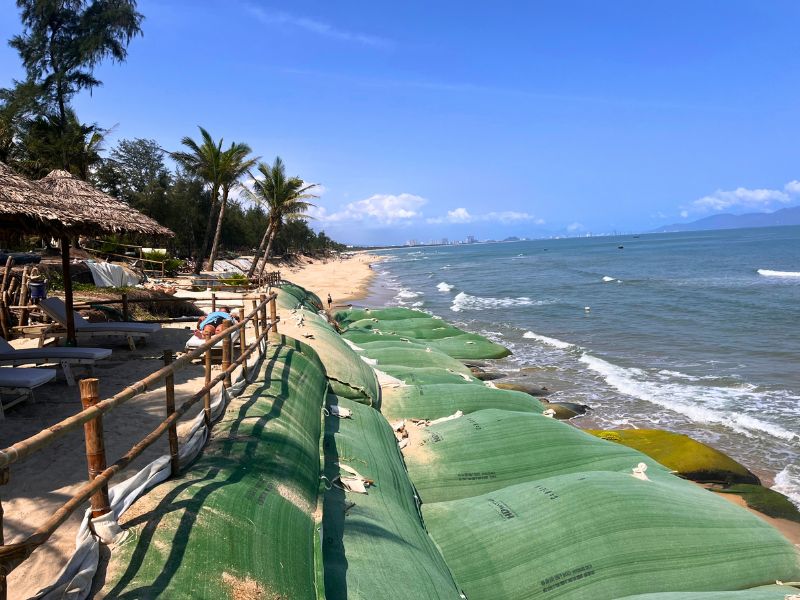
Other than the market and a few clever words, I can’t answer any “What is Vietnam like?” queries except to answer AnnThu that “Yes, the beach is lovely.” White sand, soft body-surfing waves - except for the one windy day when I’m the only one stupid/ignorant enough to brave the pounding surf and probably dangerous currents. This coast does get hit with tempests, and parts have been shored up with huge sandbags to save the waterfront cafés where we set up for work sessions.
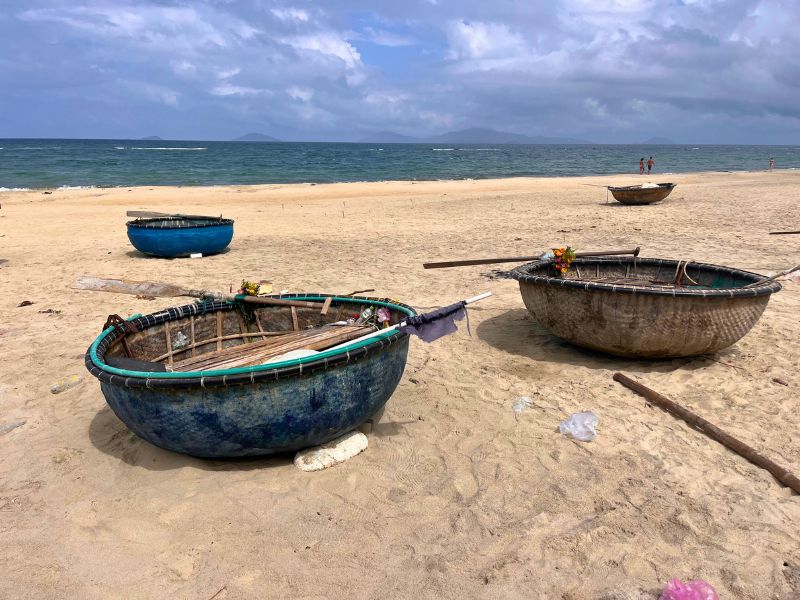
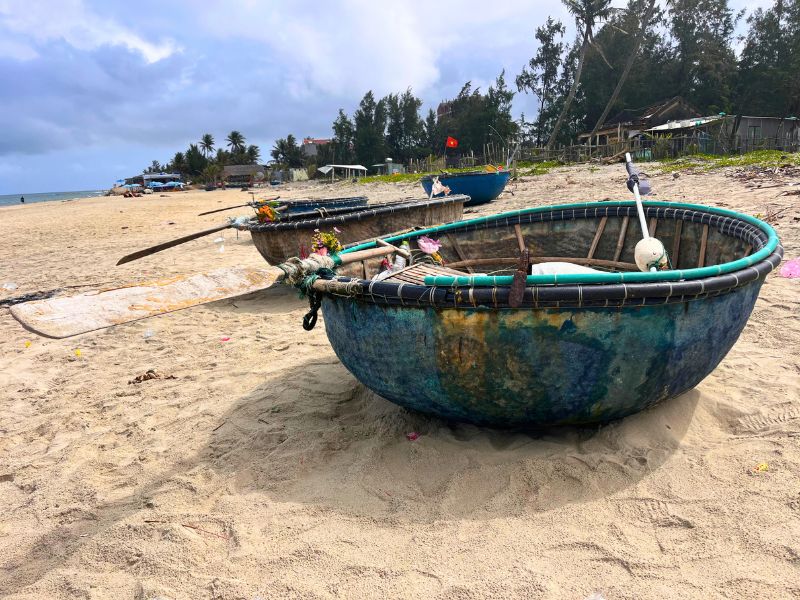
Some days we fork out 50,000 ($2) for lounge chairs and umbrellas - the first day sunburn was a good reminder of the need for caution in this high 80’s sun. In the mornings we watch fishermen come back to shore in their round basket-boats with the fresh fish we’ll buy an hour later at the market.
We’ve wisely chosen the quiet Hidden Beach, with nary a karaoke bar, and not a single sports bar showing the American Super Bowl. Ten minutes up the road is the main An Bàng beach with the predictable strip of loud bars filled with beer-swilling expats, surfer dudes, tour operators, and passionate Vietnamese karaoke crooners. Like some say about my hometown, it’s a nice place to visit but I wouldn’t want to live there.
Hi Hai
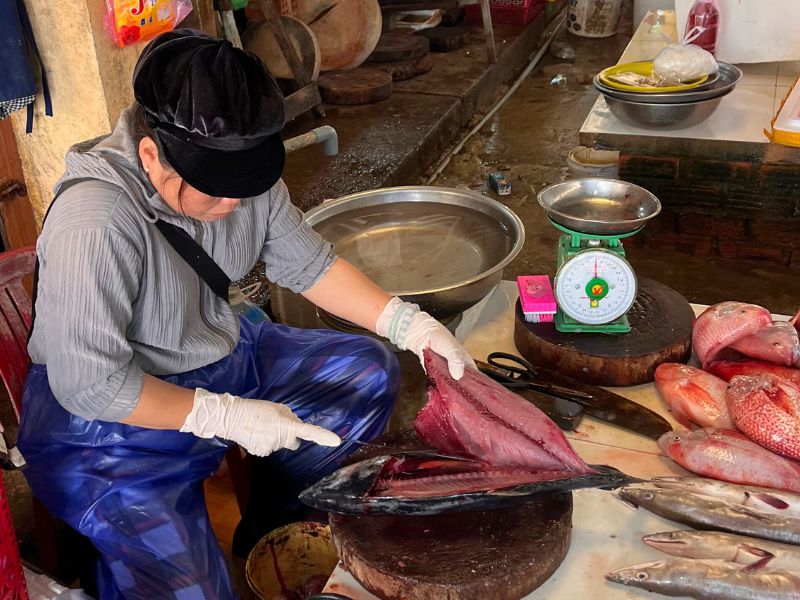
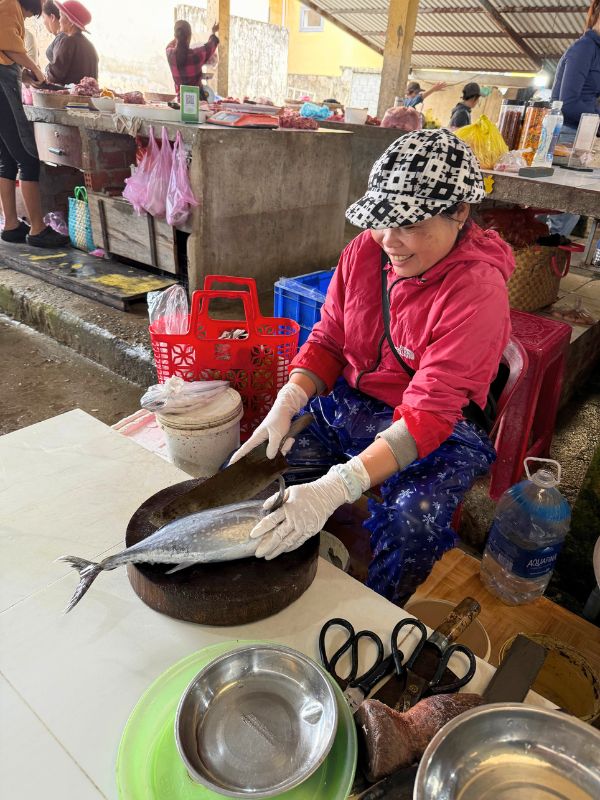
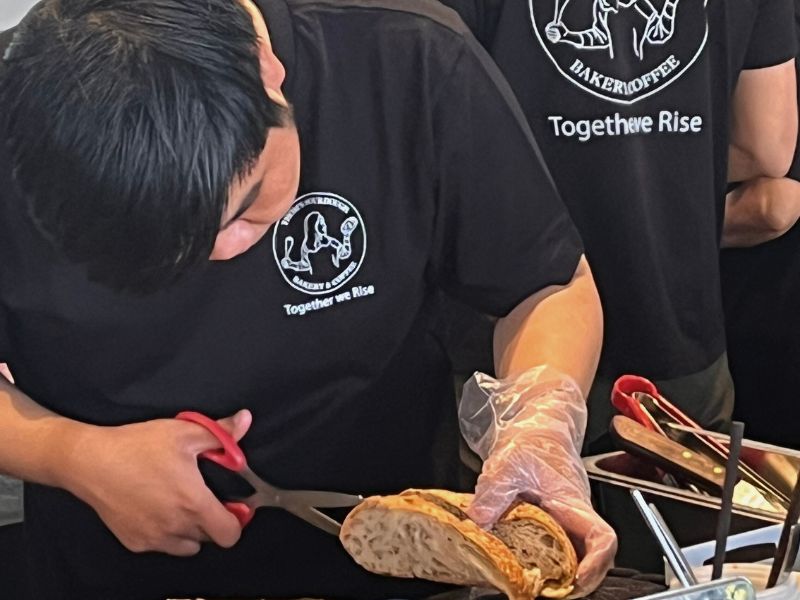
Back on our quiet strip where I first became a millionaire, we join a tiny one-room workout gym, work at the Sound of Silence café, and indulge in fresh bread from Tom’s Sourdough. Pro-tip - don’t ask them to slice it. It takes 3 employees hacking at it with a dull knife then cutting through the deliciously crisp crust with a pair of scissors. Shiny gold scissors are a staple equipment here - many food items come wrapped in paper/plastic/mesh netting that require scissors to set them free, and our market woman uses them to extract fish bones (also a machete and block hammer to cut it into steak sections).
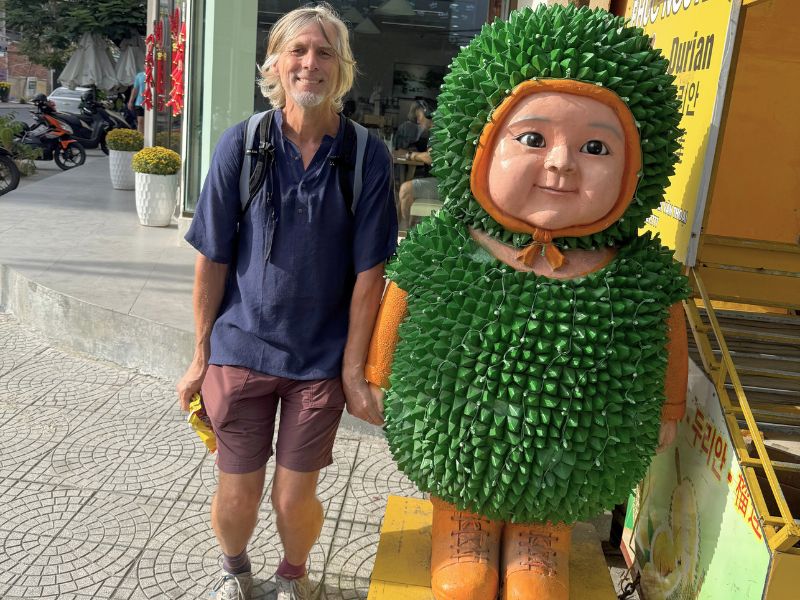
I get to practise my very-slowly-progressing Vietnamese with these market women, and so far I’ve learned four of the fifteen words for noodles (like the 50+ Inuit words for snow and 50+ Vancouver words for rain, we elaborate on what we love or hate the most). The words for durian fruit are sau (sadness) rieng (alone) - it is the lonely sadness fruit, referring presumably to the ostracization that the fruit and or its eater experience because of its awful smell (remember the ‘No Durian’ sign in our hotel room in Chiang Mai?)
Language lessons also shed light on why young Vietnamese always hold up two peace fingers in photos.Turns out it’s not a hippie Peace thing - “Hai” means “two” in Vietnamese, and also sounds like our greeting, so it’s actually a clever wordplay on “Hi” and “Hai (2).”
So after two weeks of beach life in Hoi An, here’s what I know about Vietnam. A fancy meal for six at Mr. Hoa’s Kitchen costs 1,000,000 dong ($40). An Bàng is a great place to visit/live with other well-tanned immigrants. The letter “a” can be pronounced numerous ways depending on the accent (a, à, á, â, ǎ, a with a dot underneath it…) How you greet someone or pass a note establishes relationship and respect. Not a bad foundation for this slow-immersion learning experience.
PS: The Folk Story Behind Durian (“Sầu Riêng”)
There is a traditional Vietnamese legend about a princess and a poor man who fell in love. Their love was forbidden by the royal family, so the man was forced to leave the kingdom.
He wandered far away, heartbroken and longing for her. Over time, he died of grief. From the place where he died, a strange tree grew that produced a fruit with a strong smell but incredibly rich and sweet flesh. People said the fruit represented his deep, private sorrow for the woman he loved. So they named it:
sầu → sorrow, sadness
riêng → private, personal, solitary
Together: “sầu riêng” = private sorrow / lonely sadness.
The fruit itself reflects that story. Outside: spiky, rough, intimidating. Smell: strong and overwhelming. Inside: soft, rich, sweet. Vietnamese people sometimes say that durian fruit is like love or deep emotion — rough on the outside, but sweet inside.
Subscribe now to get an email notification when a new post is published.
(Be sure to check your inbox to confirm your subscription.)
7 Comments
Leave a Comment

















Currently in...
Montevideo, Uruguay, for Sept-Oct, recovering from knee-replacement and a busy busy summer
Heading to...
Chile, Easter Island, Carnival!, Monteverde. Please share any sites, people or ideas by email.
Rick, Thankyou so sweet refreshing, interesting. a mini vacation for me. You have a great book there.
Love it. Reminds me of the things I noticed many years ago when I first came here!
Yes, I try to take lots of photos and observations when I first arrive somewhere, knowing that later I won’t be as thrilled or attracted by that water buffalo, that dangerous street crossing, that stray dog. Fresh eyes are a wonderful gift.
Am taking in all your writings and consider them my new form of travel. Thank you and more, please.
Thank you for sharing, again. Verrry interesting! Enjoy!
Harald and Heidi
Wow you really settled in – I can imagine you two cooking up all of those delicious foods you got. So great that you are taking Vietnamese language lessons. Did you ever get your 45,000,000 dong back?
Yup, met the owner on our last day in Hanoi, money ready, and changed it easily back into dollars (losing a wee bit in exchange as my lesson-learned penalty). Trusting people is usually the right way to live.