Gnocchi and National Pride, Uruguayan Style
Uruguay is a little like a vampire. A polite, well-dressed neighbour who cuts his grass and doesn’t blast Meatloaf when you’re trying to sleep, but with the occasional kinky or wild side you wouldn’t expect.
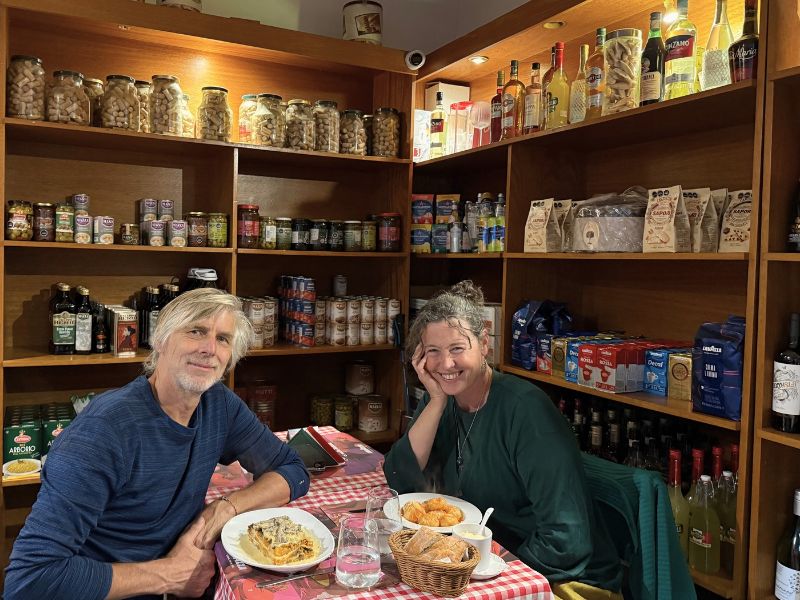
As an example of how well-composed and calm and gracious people are here, one of their big regular celebrations is Potato Gnocchi Day. Yes, gnocchi. On the 29th of each month, everyone happily shovels down the little pasta pockets filled with potato, maybe meat, cheese, pumpkin - at home or in the plentiful Italian restaurants everywhere. Delicious, and a good excuse for us to go out, but not quite the passion of a Costa Rican bull fight or a Brazilian anything anyday.
Why gnocchi? Historically, at month-end people would need a cheap, filling meal to get through to the next payday. Poverty isn’t so rampant these days - in fact, Uruguay has the highest per capita GDP in Latin America ($27,340 - much higher than #2 Costa Rica at $21,280), and that wealth is much more evenly distributed, with the region’s largest middle-class populations and less than 12% of households below the poverty line. But it’s a tradition and respectful nod to the country’s roots that’s worth preserving. And important enough that every restaurant we research has extensive - and often scorching - gnocchi reviews. “The gnocchi texturally missed the mark - overly heavy or "gummy" rather than light and pillowy.” “The sauces (especially the cream-based ones) were excessively salty and masked the flavor of the pasta.” “The gnocchi turned to mush as soon as I put them in water, inedible + they tasted like cornstarch
and the Caruso sauce was bland.” I respect a country that holds peasant Italian food to high standards.
We try to do it right, booking at a local Italian joint with the best reviews, but make two rookie mistakes. First, we arrive promptly for our 8:30 reservation - to an empty restaurant. For us it’s much later than our usual dinnertime, but Uruguayos follow Spain’s tradition of a late afternoon tide-me-over snack then a very late dinner. The other mistake is we forget to put money under our plate while eating to attract good fortune, wealth, and prosperity for the coming month. Something like the colourful and bountiful offerings we saw in Vietnam’s Tet New Year traditions, but of course much more soft and muted - this is Uruguay, after all.
What was that about Vampires?!
Polite, tranquil, respectful - yes. A Dutch woman in my writing group says she has settled here because Uruguay is so perfectly boring it makes room for her creativity. But on a full moon, look out! Out bursts a passion, a frivolity - dare I say, a silliness? - that surprises and delights.
One of those full moon occasions is, of course, fútbol. When I attend a Peñarol game with a group, I’m warned, “We recommend avoiding jerseys from other football clubs and, if possible, white clothing, as white is associated with Nacional, Peñarol’s rival.” I only own 3 shirts and surprisingly none of them are the home team’s bright bumblebee colours, but I can clap and yell along with the singing/clapping/yelling crowd, shouting instructions at the players as if they could hear.
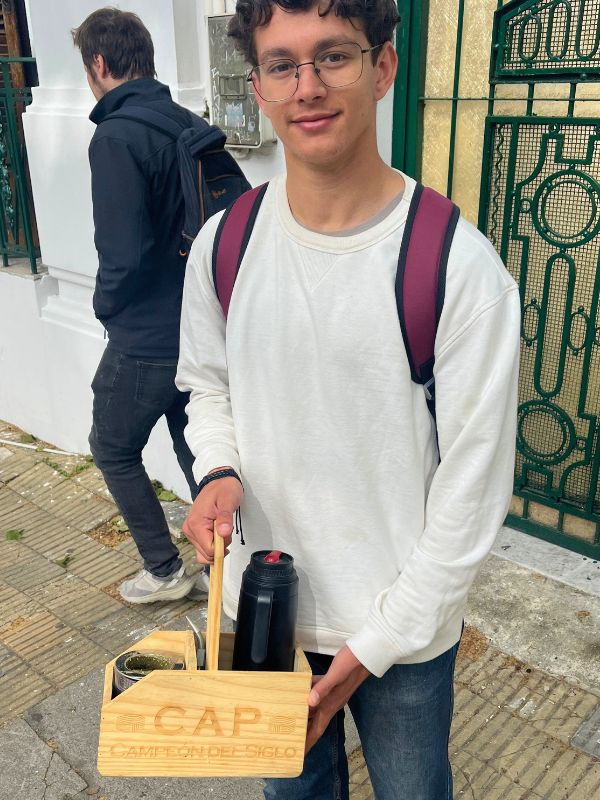
It’s not as frenzied/scary as Mexico’s Azteca Stadium nor as arms-around-each-other swaying as Albania. This is still Uruguay, after all - they’re carrying in thermoses and drinking straws for their traditional mate tea drink, not tequila (mate is permitted, but not bottles of water, and beer isn’t even sold in the stadium). But Uruguay has the unique distinction and deep pride in being both the host and winner of the very first World Cup in this very historic stadium, and will host the first game of the 100th anniversary World Cup here in 2030.
National Heritage Day
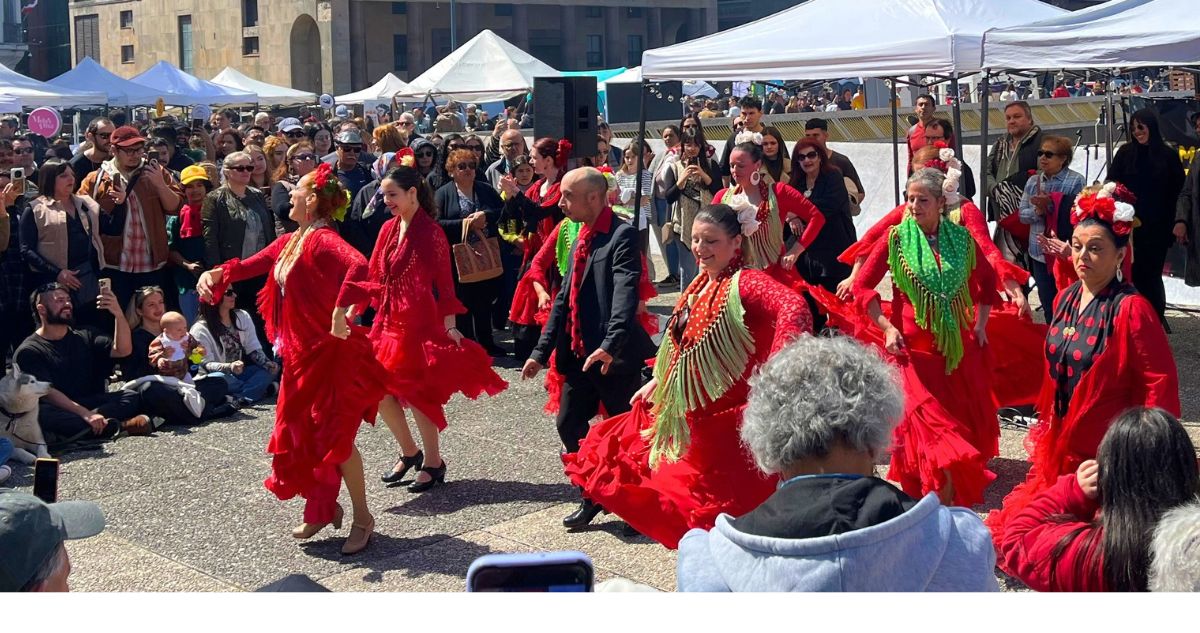
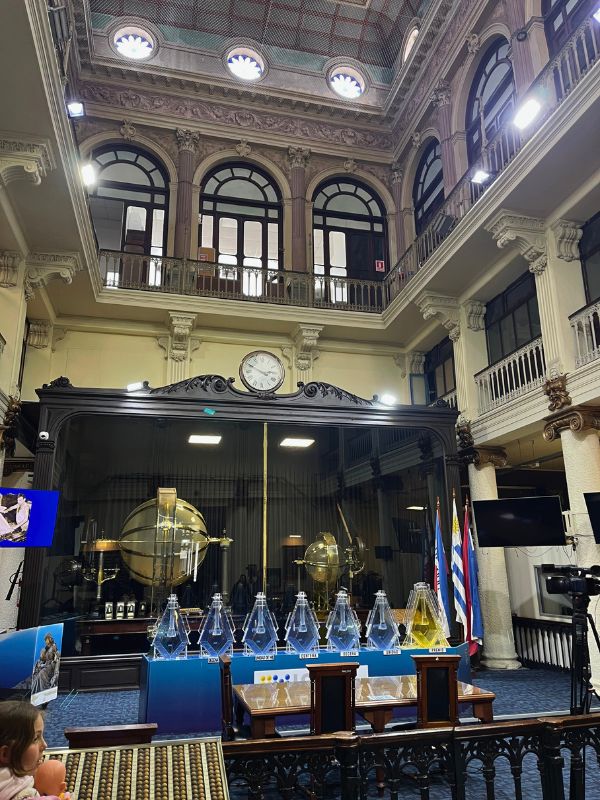
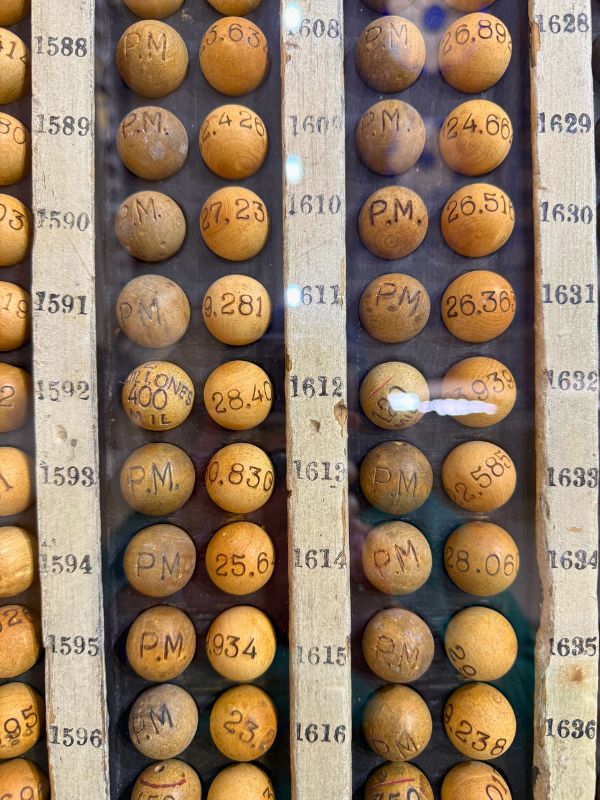
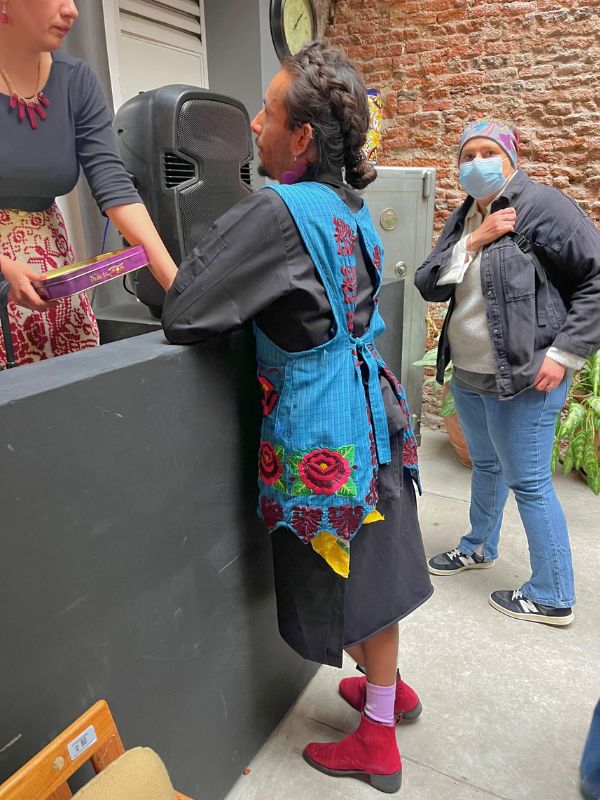
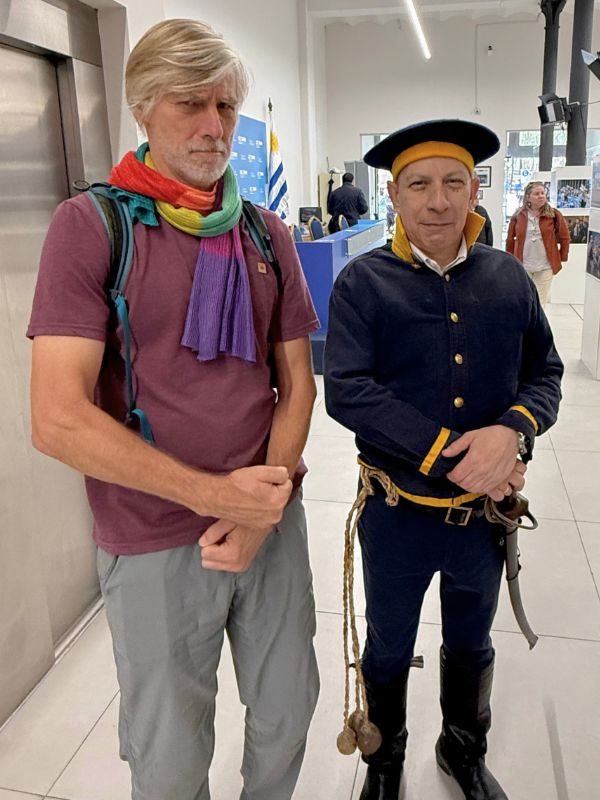
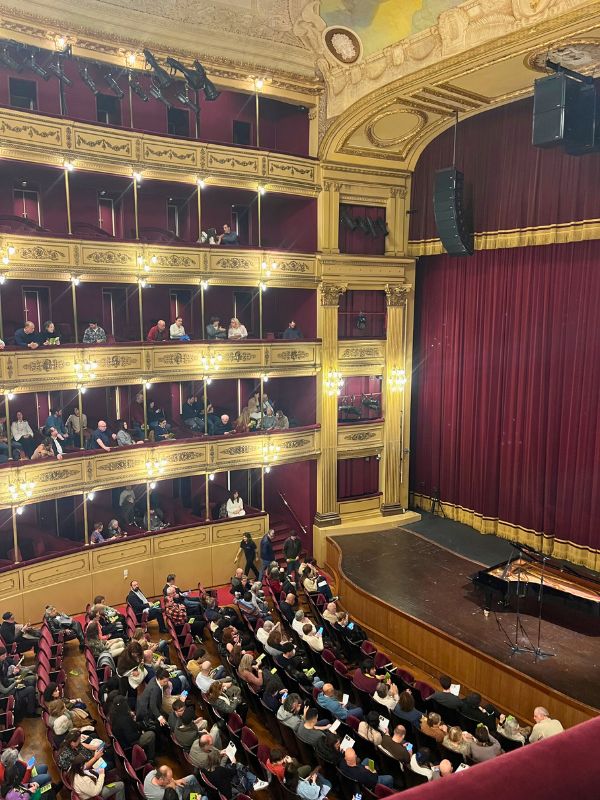
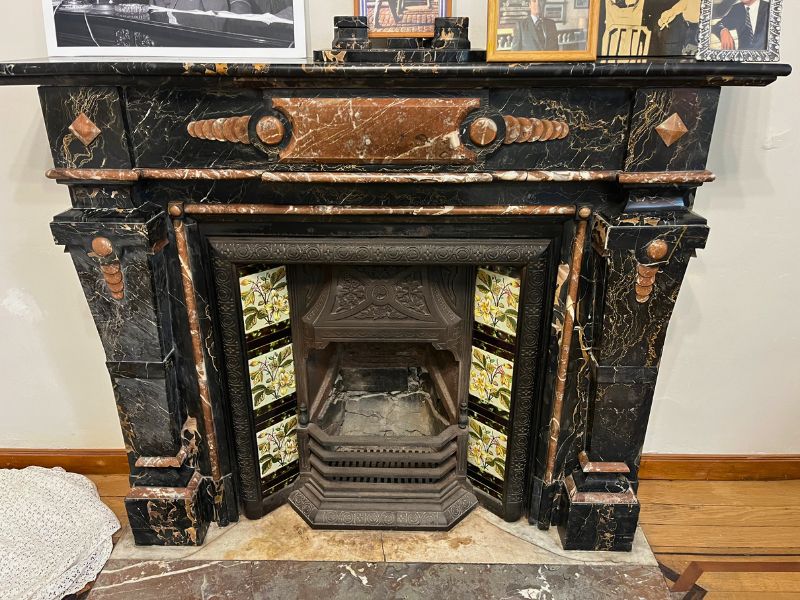
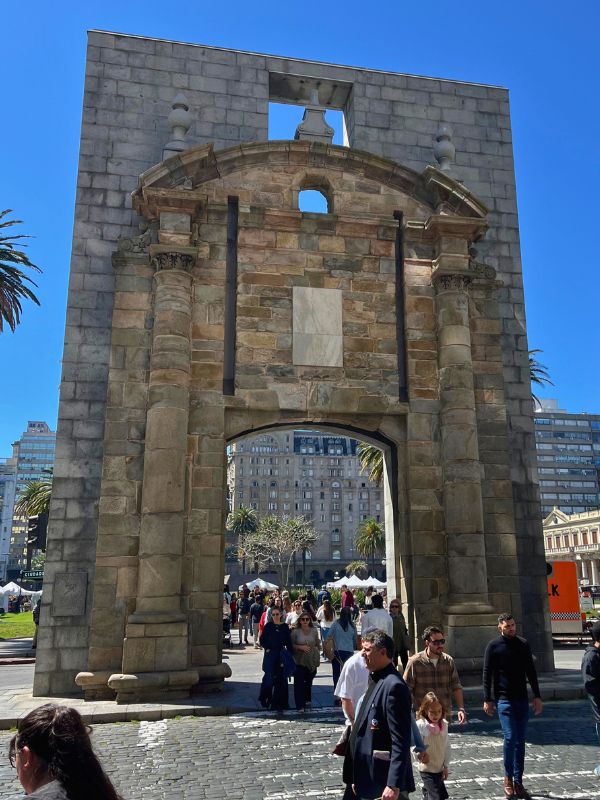
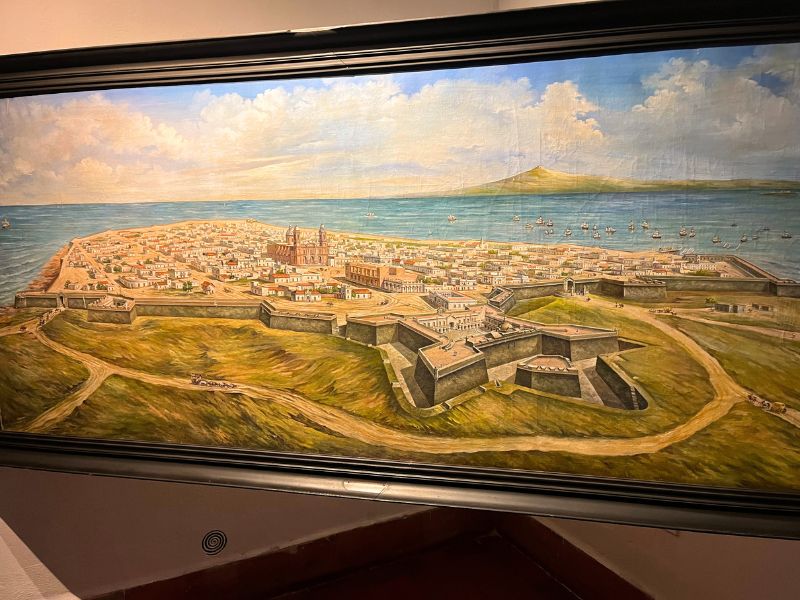
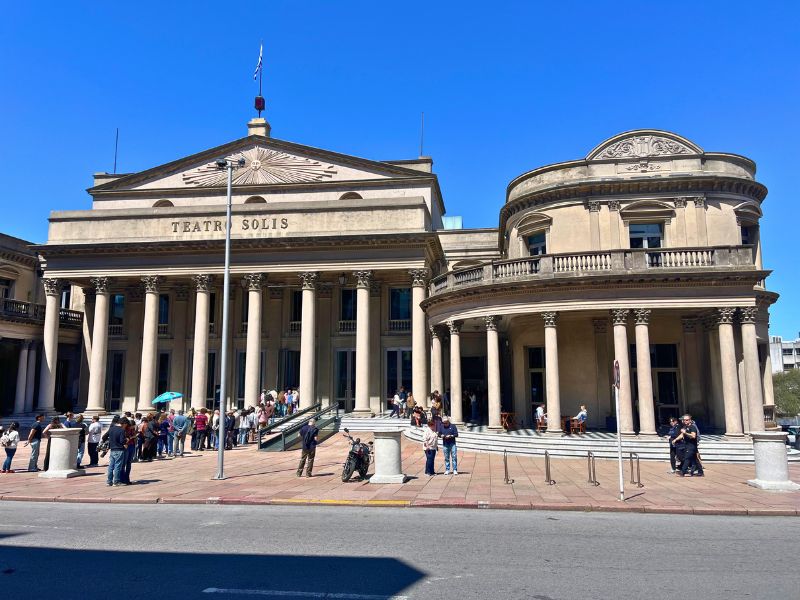
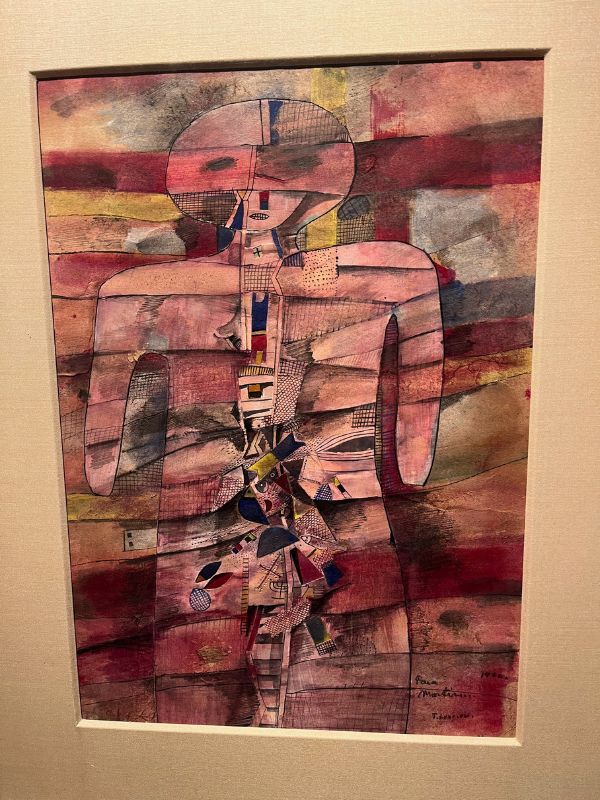
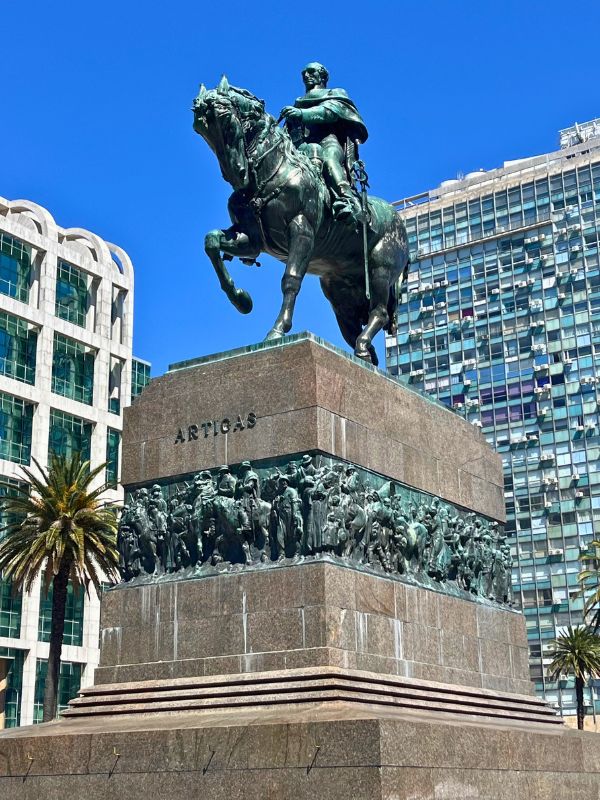
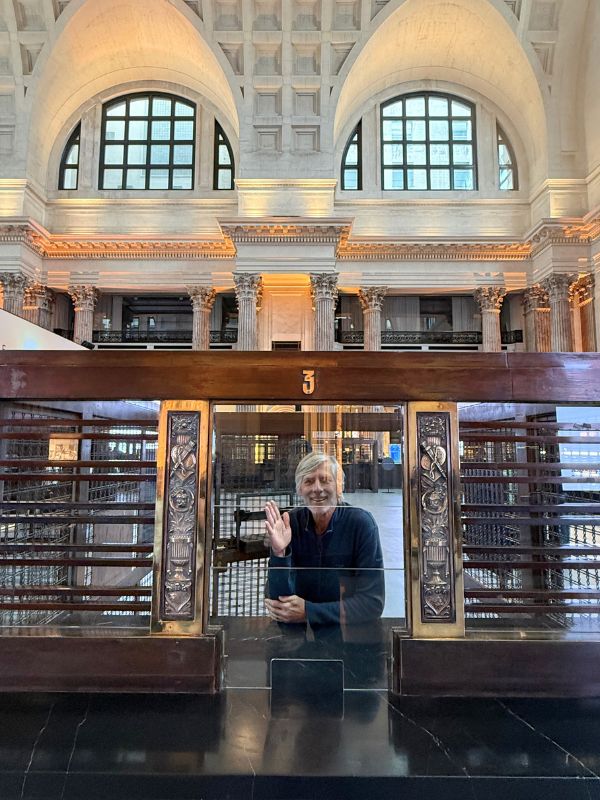
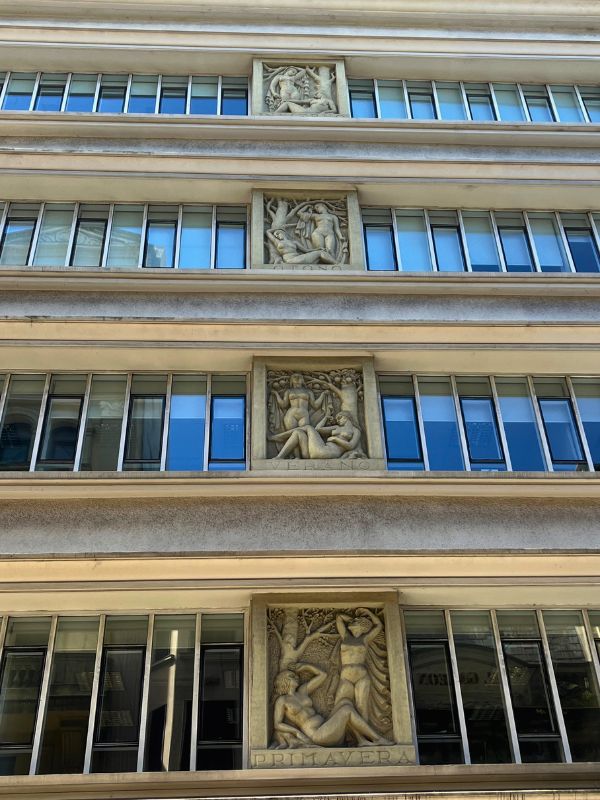
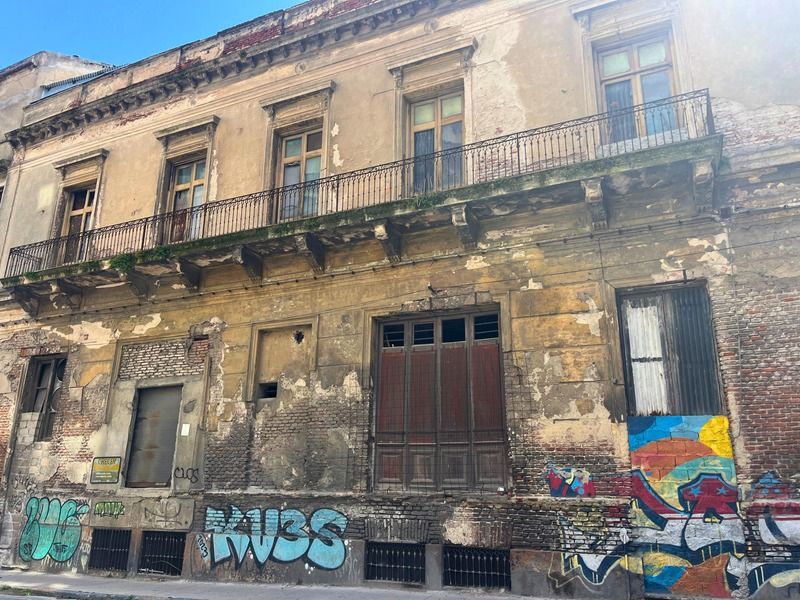
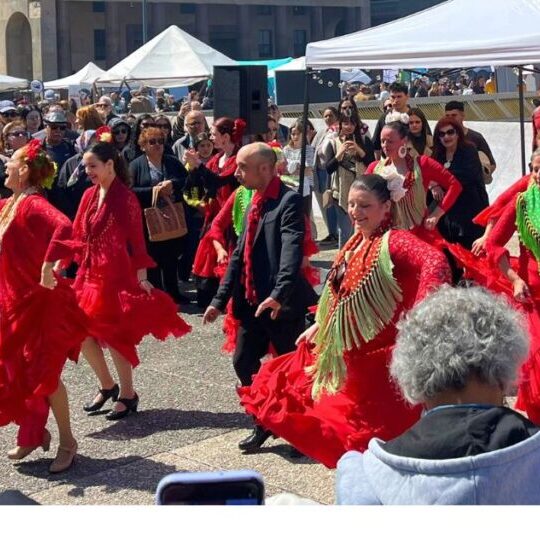
Another time that Uruguayos fly out of their quiet shadows to show their true colours is Dia del Patimonio - Heritage Day. Four out of every five citizens come from European heritage, so this day is a mash-up of an Italian opera house, Spanish colonial buildings, Brazilian tango-esque dancing, and Armenian falafel. We comb through an 85-page booklet to highlight 20 or so events to zero in on, and stumble across many more random street performances and artisan markets and special museum displays throughout the old city.
As with the 3rd Saturdays, Uruguayo families are out in force to bask in national pride. Strong economy, progressive policies, safety, arts culture, fun funky traditions like gnocchi night, and a history and continuing tradition of tolerance and freedom that has attracted persecuted people from all around the world (the most recent wave being Americans, interestingly - many of my soccer-watching expats were LGBTQ and called themselves “refugees”, and many more we have met have come here expressly to escape what they experienced as toxic and dangerous times in the US.)
Uruguay may be small - same size as Florida but with a population of just 3.5 million, compared to Florida’s 23.5 million - but it’s got a lot to be mighty proud of.

Subscribe now to get an email notification when a new post is published.
(Be sure to check your inbox to confirm your subscription.)











Currently in...
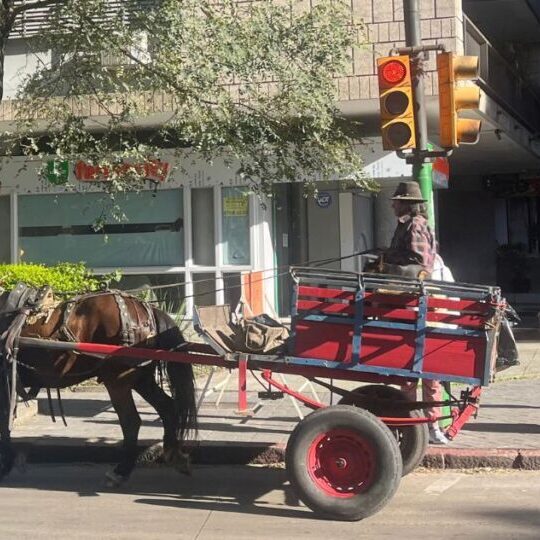
Montevideo, Uruguay, for Sept-Oct, recovering from knee-replacement and a busy busy summer
Heading to...
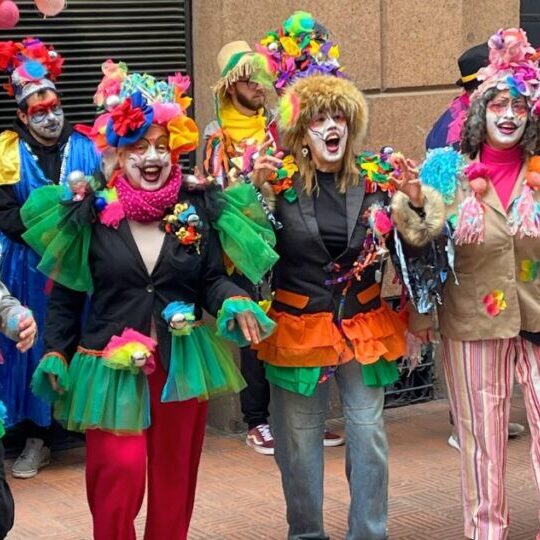
Chile, Easter Island, Carnival!, Monteverde. Please share any sites, people or ideas by email.