Slow Circling in Montevideo, Uruguay
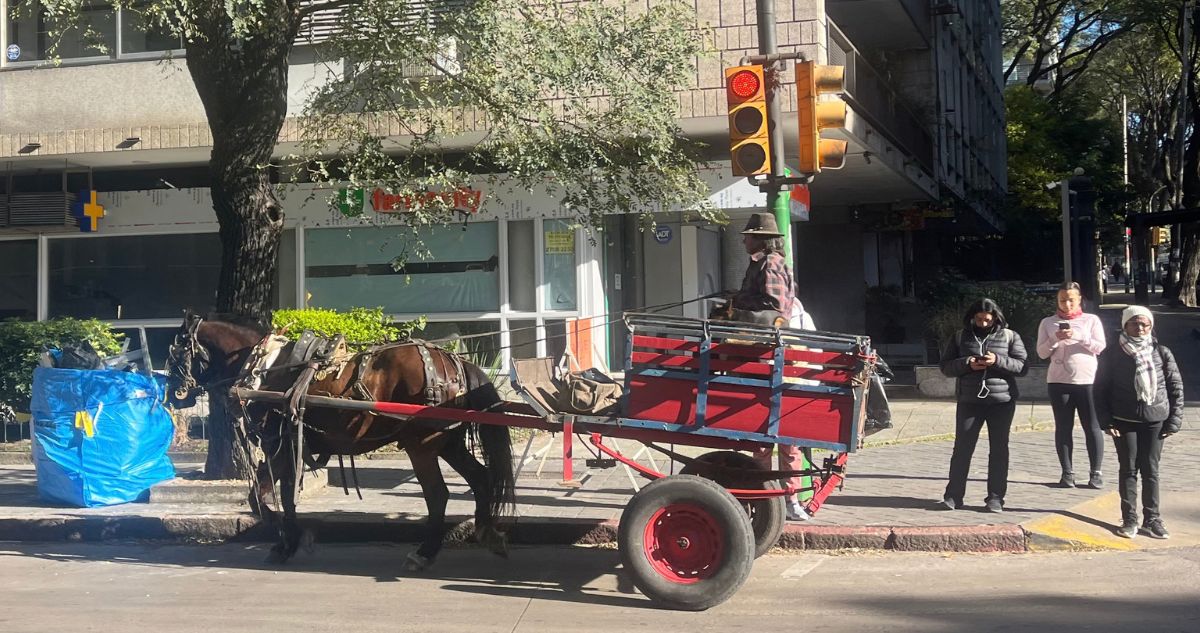
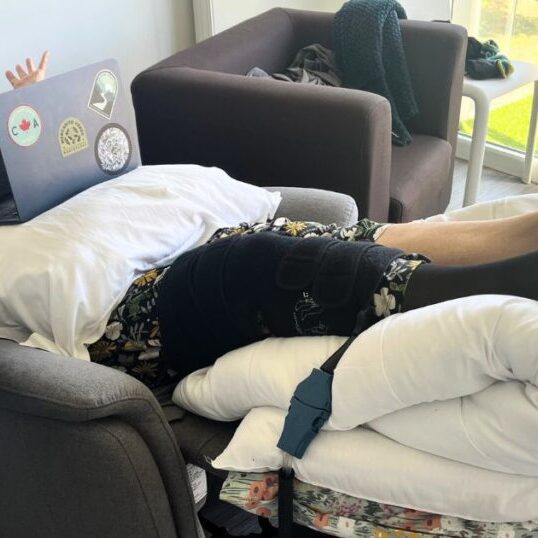
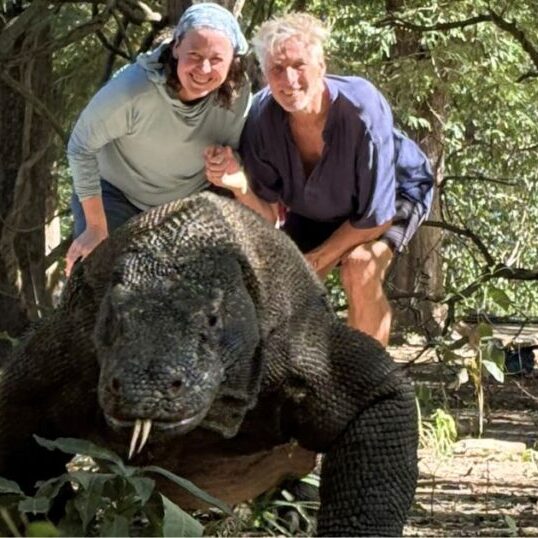
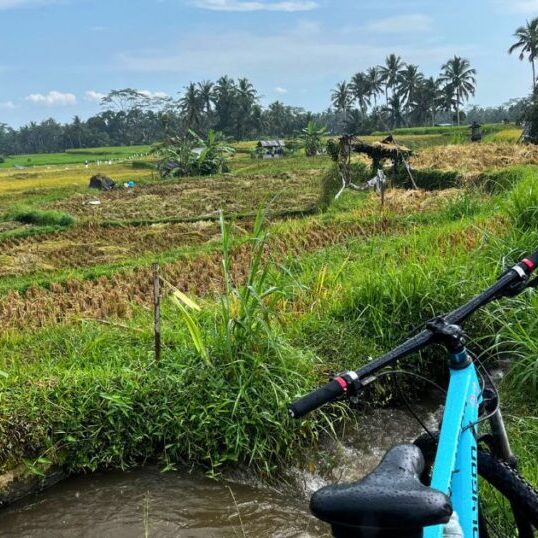
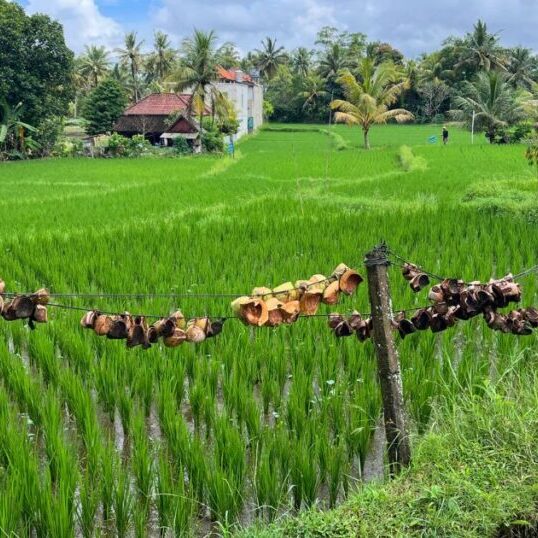
Four months ago we left the smooth rhythms of Bali and komodo dragons of Indonesia, replaced with the merry messiness of family and the long slog of Sarah’s knee replacement. We arrive here in Montevideo like a tired but well-fed wolf, readying the den for a long nap.
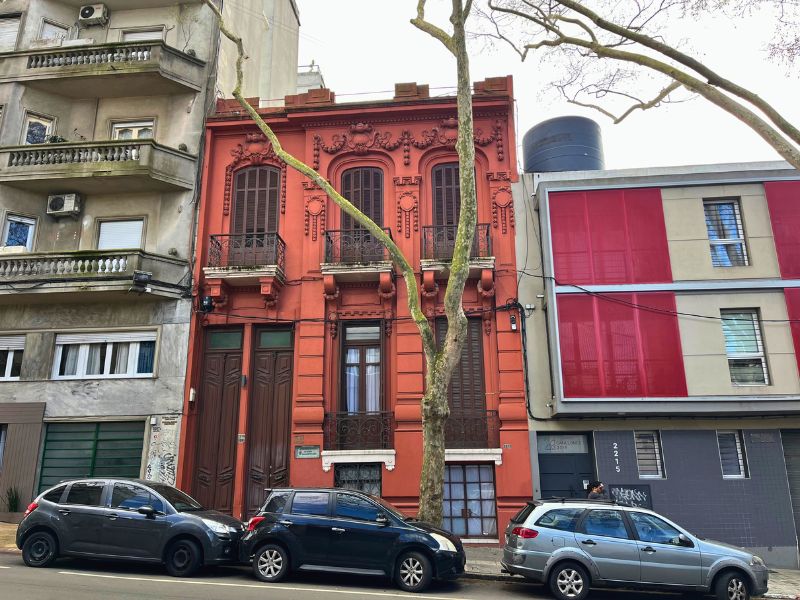
Montevideo is the Spanish word for “hunker down.” Well, no, but it ought to be. It’s slow, comfortable, Pleasant. All around us are Nice walks, Interesting buildings and Calm people, but nothing jumps out and screams “Do this TODAY!” So we don’t.
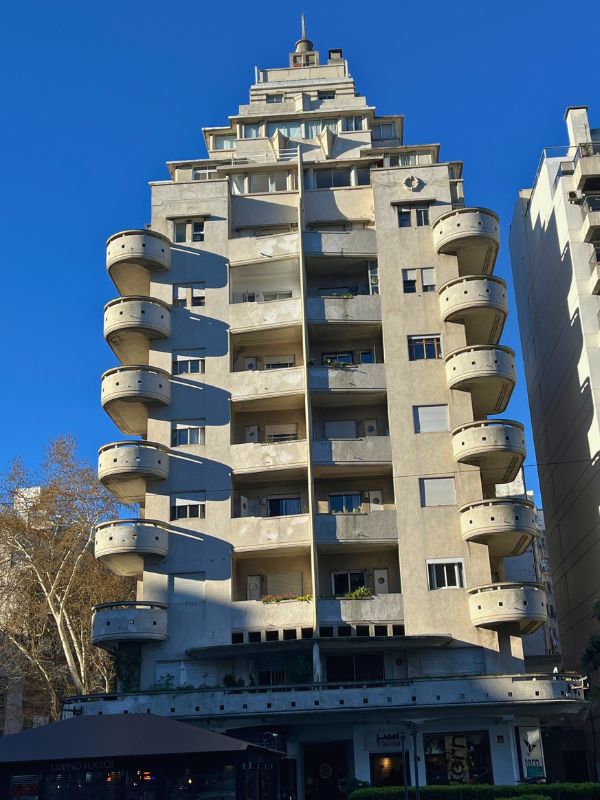
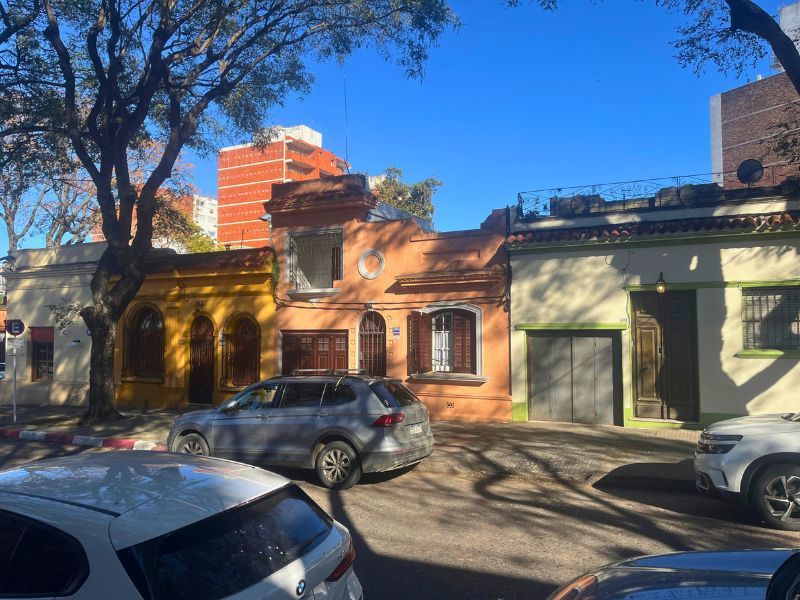
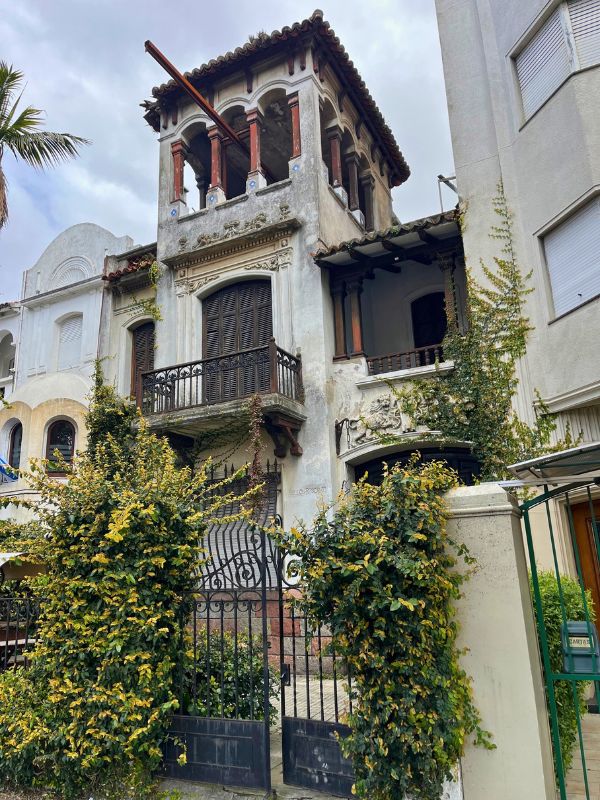
Like that weary wolf, we start working slow circles around our den. Our block here in the Pocitos neighbourhood is filled with old apartment blocks like our own - ancient elevator where you have to close two doors before it will operate, long narrow living space with a 2-chair porch at the living room end and a small laundry porch off the kitchen end. Our flat is like much of Montevideo - simple, sufficient, not over-adorned.
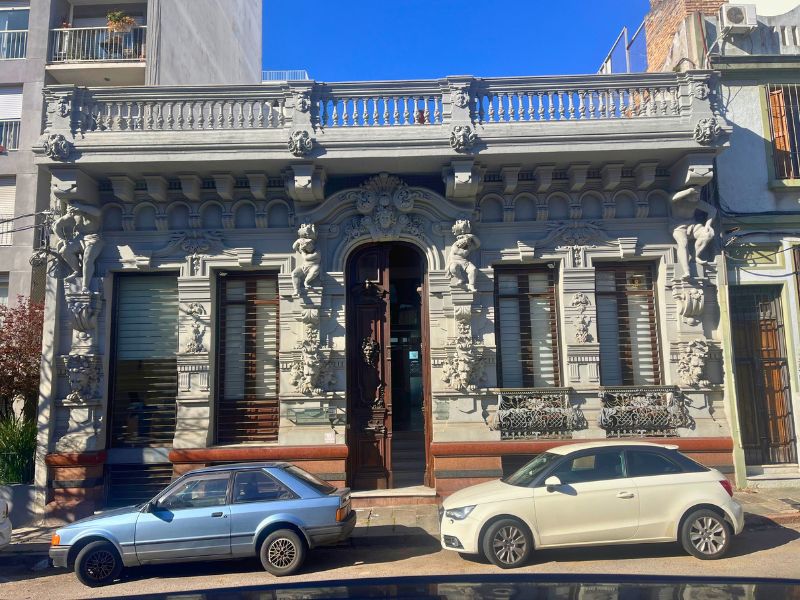
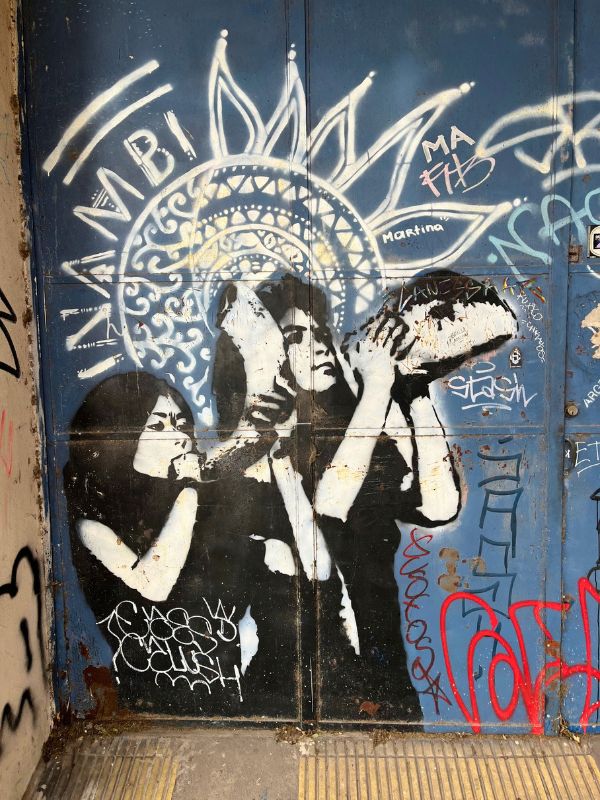
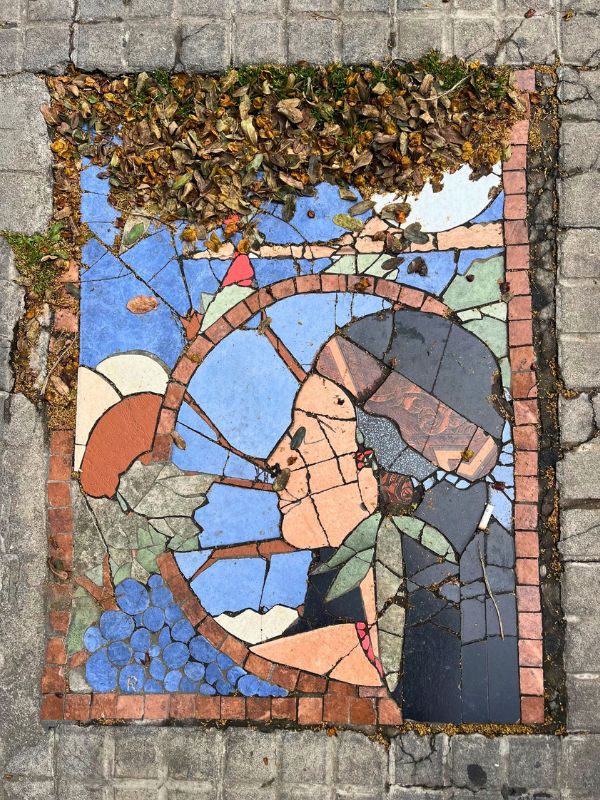
The next block over we find our first mural, two fresh fruit/vegetable stores, one meat shop, and a convenience store (all underneath more apartment blocks - Pocitos is the highest density neighbourhood in Uruguay). The block after that ends with Resistance Bakery filled with croissants (both sweet and salty varieties, evidently the perfect match for their beloved mate tea habit), a fine variety of sweet things mostly filled with dulce de leche (caramel - they can’t get enough of it here), and sourdough bread (instead of buying a loaf, Sarah boldly gets a free cup of Masa Madre starter for me to start my own batch).
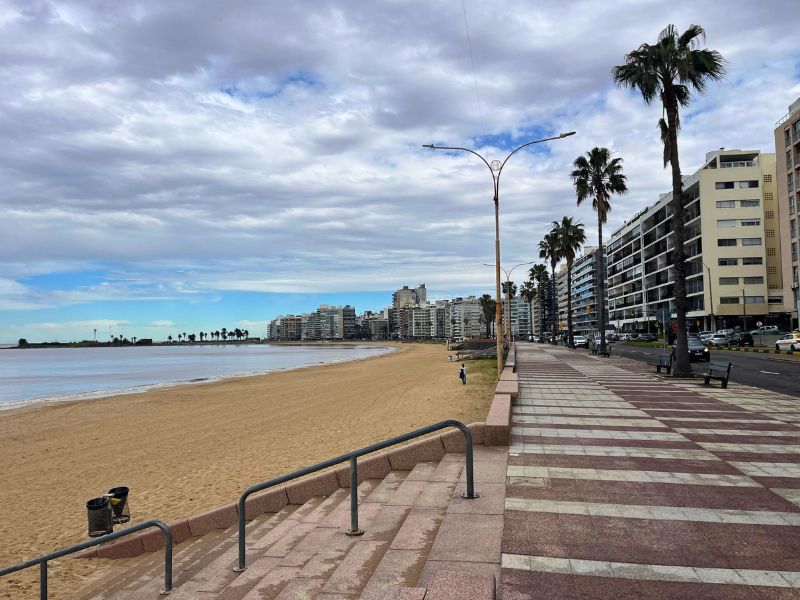
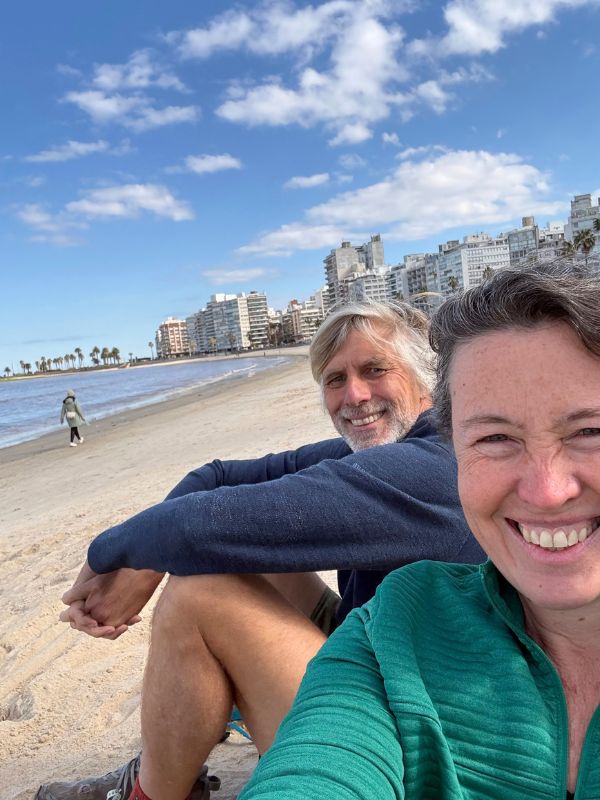
Three blocks is far enough from the den, so we round the corner and duck into the first of many coffee shops / cafés for a breakfast quiche. Another two blocks down and we’re on the Rambla, the beautiful ocean-front promenade that sweeps 8km west to the old city and 14km to the east. It’s still winter down here (we’re further south than Capetown, South Africa), but it’s bustling with well-bundled Uruguayan walkers and joggers. In a few months those sands will be filled with umbrellas and fútbols and Paddle-Ball players (like pickleball over a volleyball net).
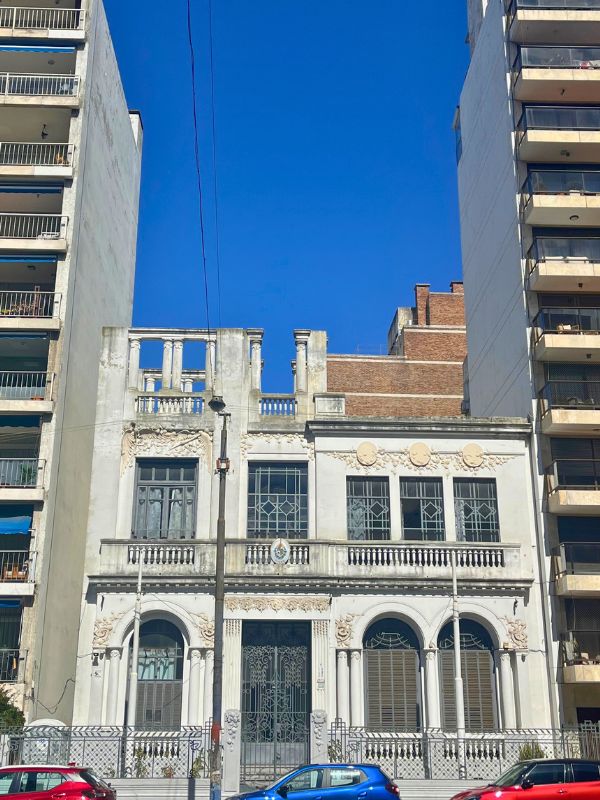
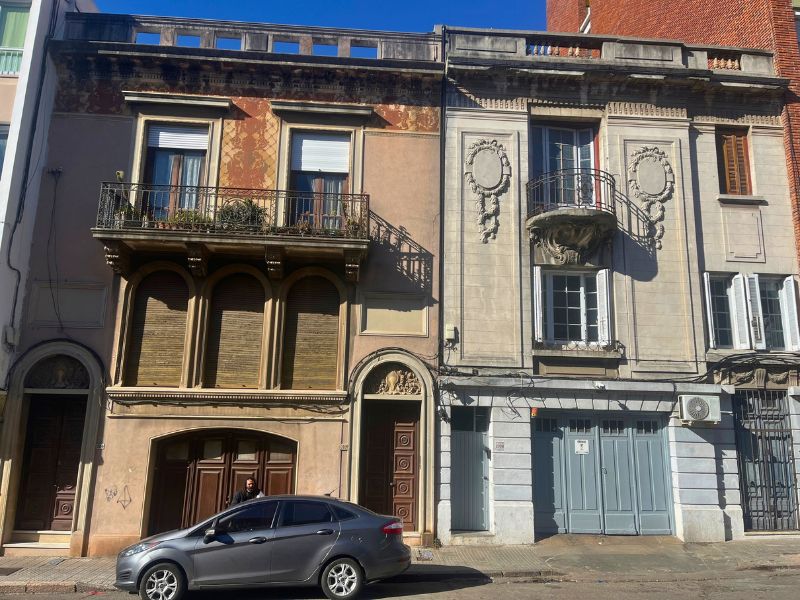
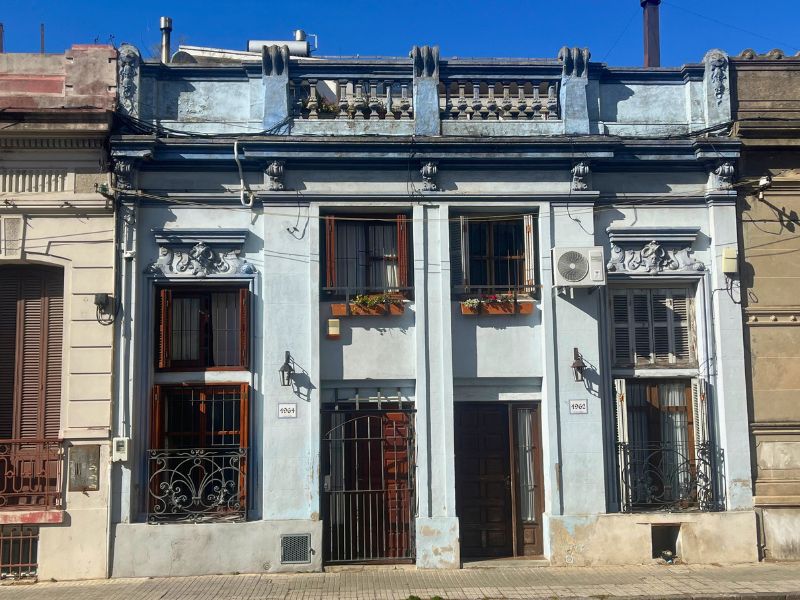
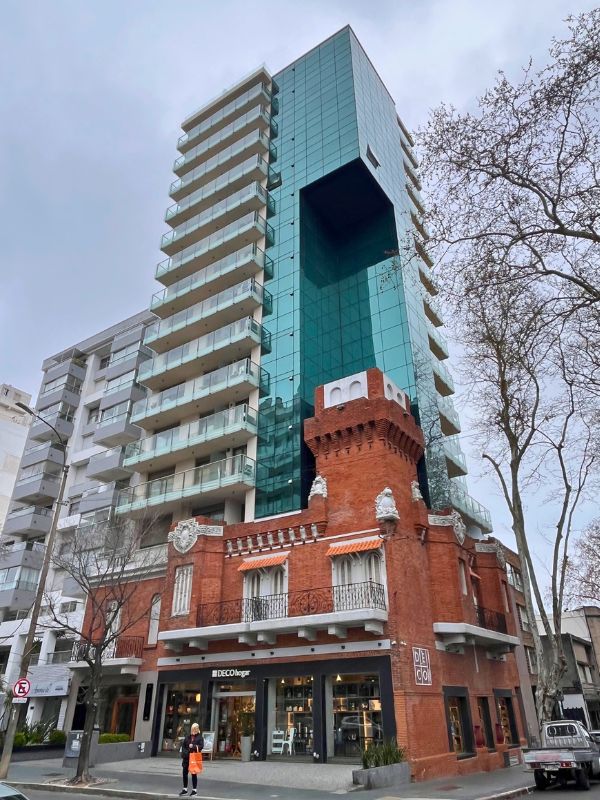
3 Blocks, 4 Gyms
The first gym we find looks directly over this vast beach spread, but the loud techno music and large circuit class sizes drive us away. The second gym (out of 4 within our 3-block radius) is more our speed - 9 machines, 3 TV’s showing nothin’ but fútbol (with an occasional clothing stain-removal demonstration for the ladies), a windowless basement for Pilates classes, a sauna that worked years ago when they had a more upscale clientele, and not a single client under 50. For $79/month, we have a coach - a sweet young man named Nacho whom the old ladies kiss on the cheek - who pulls out our little red notebook and instructs us each day on which exercises to do. We start going 3-4 times a week, and quickly become part of the easy banter with the other regulars - just like in Albania, except here we have the language skills to understand. When I groan a bit too loud during one chest press, 62-year-old Elena reassures me “Todos sufrimos” - We all suffer - and everyone laughs in a pained unity.
Still on this first morning circle, and still within a 3-block radius, we check out four natural food stores, three larger grocery stores, a few more small fruit/veggie shops, deli’s with fresh pasta, and several more bakeries - we’ll have no problem stocking our kitchen. Or if we prefer, there’s plenty of small cafés and restaurants - predominantly Italian.
We return to our den with happy bellies, food supplies, a gym membership, and assurance that we have done well in choosing Pocitos neighbourhood to be home for the next 2 months - it’s solidly middle class, nice and flat for Sarah to walk her bionic knee around, and clearly safe. Unless you believe the Trump administration, which recently dropped its safety rating for Uruguay in retaliation for Uruguay decreasing its safety rating/travel advisory for the U.S. - apparently the US now rates countries based on how friendly they are to Mr. Trump, not to tourists….
Widening the Circle
Over time we start to venture a tiny bit further from our safety zone. Longer walks along the Rambla. Four blocks to a stretch with a thrift shop, Armenian falafel, and the Cultural Alfabeta coffee shop, art gallery and cinema. Five blocks to another gym where Sarah can do additional exercises in a warm pool, and two blocks past that to a great physio.
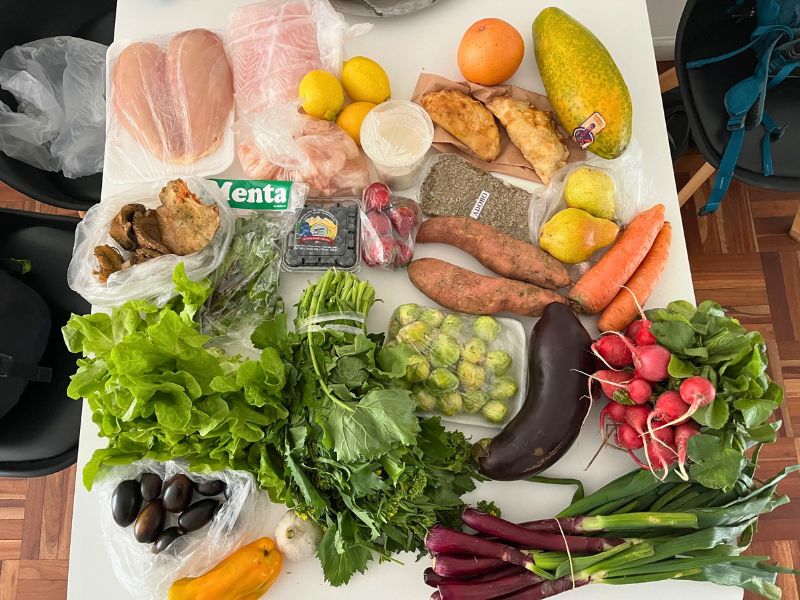
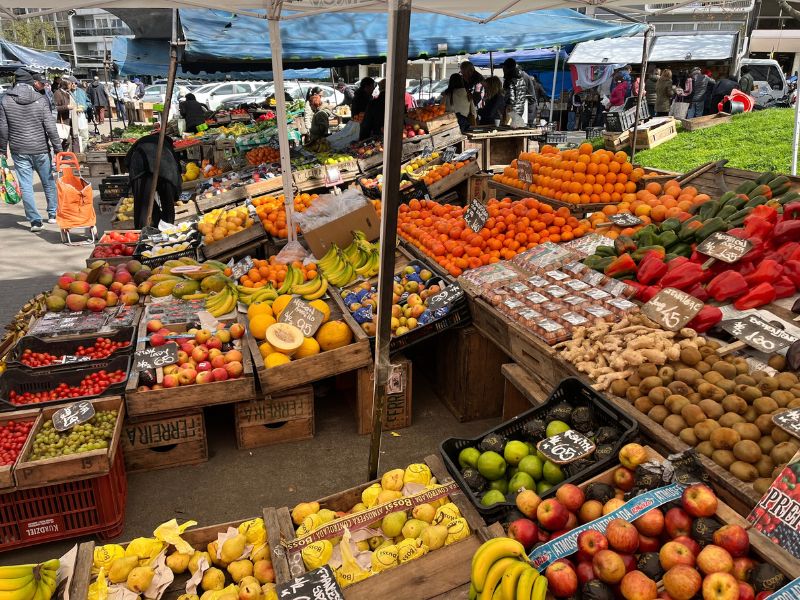
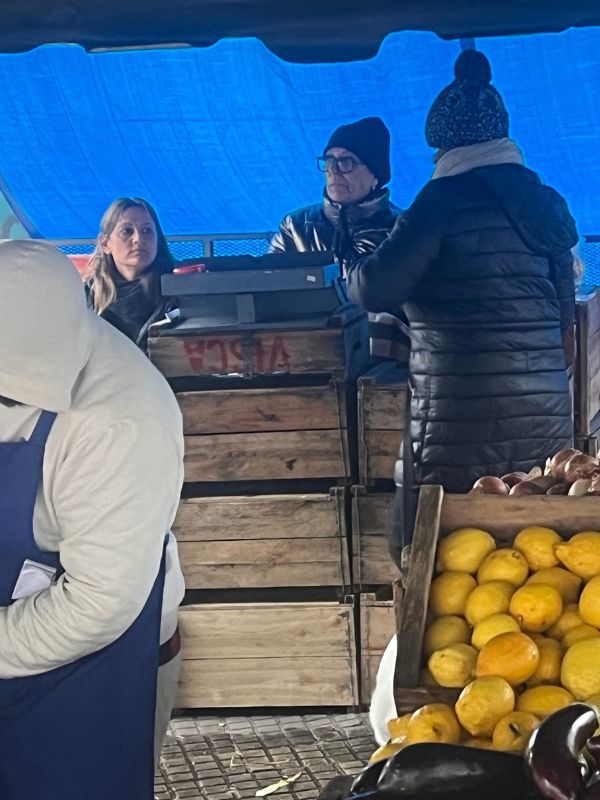
Our first foray outside of Pocitos is a mighty 1.1 km to the Tuesday/Saturday farmers market in Punto Carretas. Vendors are bundled in ski jackets and hats against the winter cold (the morning hasn't yet reached its highs of 12 celsius, 54 fahrenheit - everyone grumbles it’s supposed to be warm by now and firmly believe in climate change), but smiles are warm and exchanges are genuinely friendly, not pressuring. Despite the season, everything is fresh, local and delicious. For $80 we load up on a week’s worth of veggies, fruit, cheese and seafood.
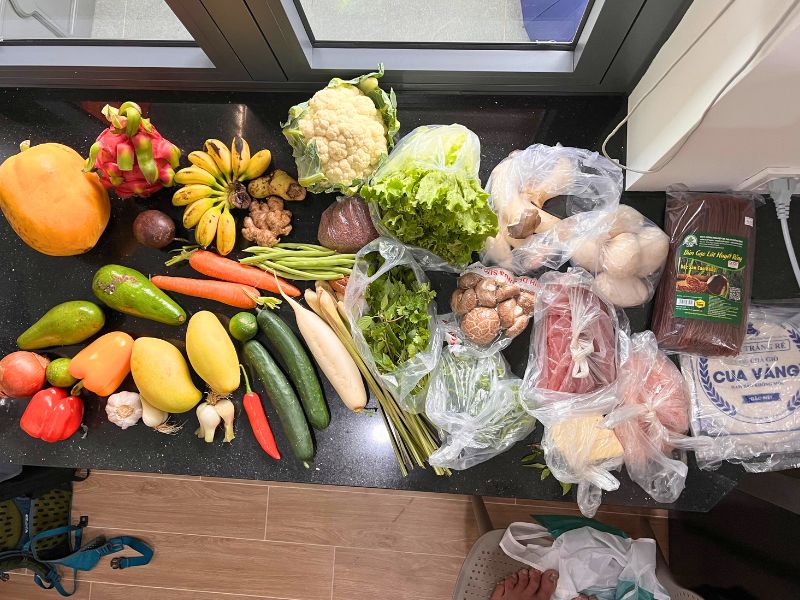
If we had come straight from SE Asia, the sticker shock would have been severe - our first similar market day in Vietnam was $39. Expats all grumble about the high prices here, like we have some special right to live in a beautiful, safe place of our choosing and have it be ridiculously cheap with our powerful dollars. Instead, a dinner out for two costs $40-$50 (US), bus fare is $1.50, and our 2-BR airbnb 2 blocks from the beach in the prime Pocitos neighbourhood is $1,750/month.
These prices feel normal after a summer in Canada, and seem to be normal to the folk living here. Economically, this is a healthy country - wealth is distributed more evenly than in neighboring countries, creating a large middle class and very low extreme poverty. I imagine this is partly due to the fact that education is completely free from primary school through university, leading to a near 99% literacy rate. When I go to Cultural Alfabeta to waste 3 hours watching The Odyssey, no-one bats an eye buying $11 tickets, and I’m the only person in the theatre too cheap to drop an extra $12 on the popcorn and pop add-on.
Fairs & Fairies
After a week or two of hunkering down and getting back into our Just Us rhythm - bread, granola, yogurt, naps, catching up on Sarah work and Rick writing - we can slowly start to expand. I join a Tuesday writing group, walking 2.3km past the big central Parque Rodó to Plaza Cafe to visit with Walta (from Argentina) then write in happy silence for an hour with whoever else shows up. Heading home I usually choose the 5.1km amble along the Rambla.
It takes two weeks to finally see our first church. Uruguay separated church and state in 1916 and developed a deeply irreligious culture - so different from the everywhere temples and daily offerings of Balinese culture. Uruguay removed religious symbols, oaths, and references from public buildings, schools, and national holidays. Traditional Christian holidays received secular names, such as renaming Christmas to "Family Feast" and Holy Week to "Tourist Week".
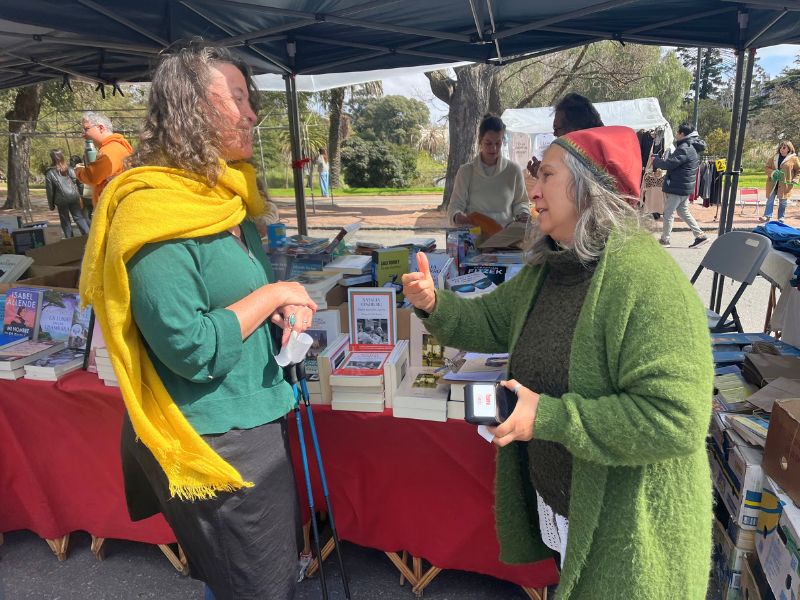
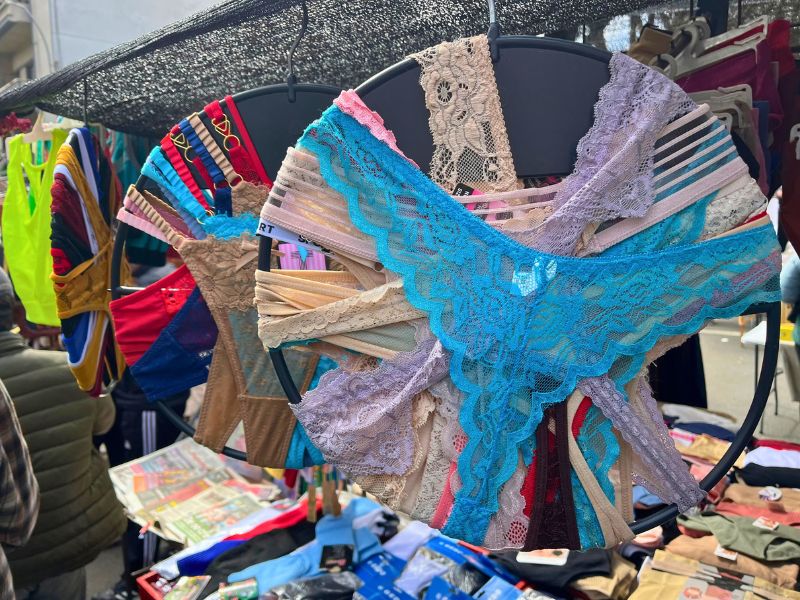
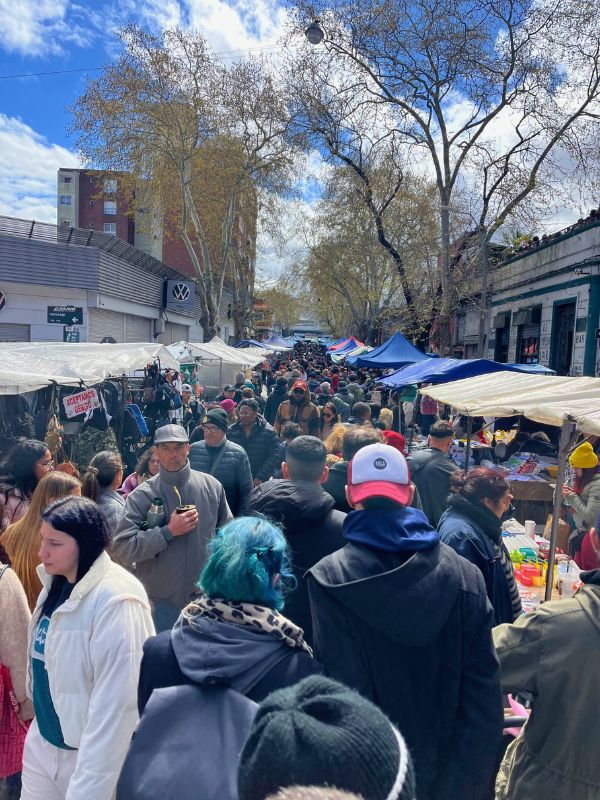
For our first deliberate “We’re tourists and we should see the sights” outing, we walk 3km up to the biggest flea market in the country - Feria de Tristán Narvaja. Flea markets are a fine tradition in this country where the wealthy used to travel back to their homelands, returning on transatlantic boats with big trunks filled with foreign wonders. We find more trinkets than treasures, but it’s a fun scene and sprawls for more blocks and sidestreets than we have knees to traverse.
We visit with a mesmerizing bearded curator of hand-carved gnomes and fairies. He smiles the crooked teeth of a Picasso painting and the sparkling eyes of Dumbledore. He squeezes me with his mighty Hagrid hand and I’m not sure I’ll ever escape. It’s not a ploy to sell his wares, but a powerful desire to connect and impart his magic. When he tells us he’s half fairy-folk himself, I believe him.
Fairies and gnomes are quite common here. Massive waves of European immigration from Spain, Italy, and central/northern Europe, blending their traditional beliefs about household spirits, goblins, and nature guardians with the local Río de la Plata traditions. They came between 1870 and World War II to escape persecution and economic hardships, and Uruguay’s irreligious, liberal culture provided a safe haven.
All of this has resulted in a unique country. A Latin American country with over 85% of citizens identifying as white or of European descent. A healthy economy, literacy and pricing approaching North America and wealth distribution much healthier than the US. A culture of fairies and ferias and treating each other with respect without the fear of God. A people so comfortable within their own skin that we feel comfortable just holing up in our cozy den, poking out noses out once in a while to smell the promise of change and adventure tickling on the fresh South American winter air.

Subscribe now to get an email notification when a new post is published.
(Be sure to check your inbox to confirm your subscription.)






Currently in...
Montevideo, Uruguay, for Sept-Oct, recovering from knee-replacement and a busy busy summer
Heading to...
Chile, Easter Island, Carnival!, Monteverde. Please share any sites, people or ideas by email.